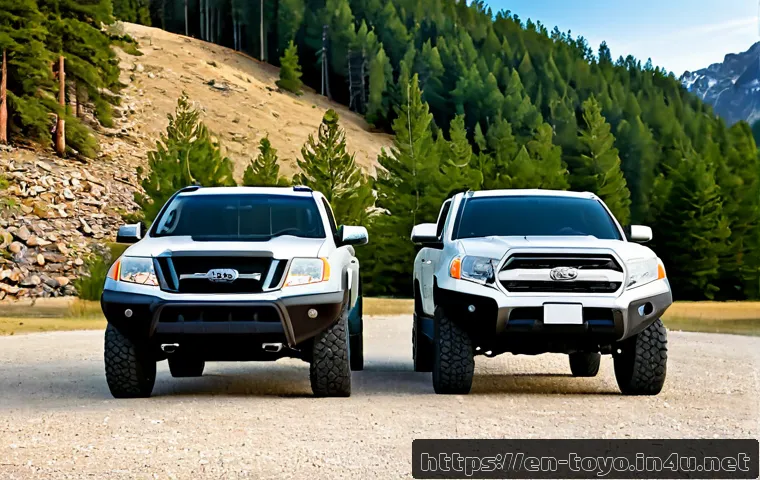
Choose the Toyota Tacoma if its broad off-road trim selection and your preferred ownership priorities are central to the purchase. Choose the Ford Ranger if its available configuration, driving feel, capability requirements, and local dealer offer better match your daily use.
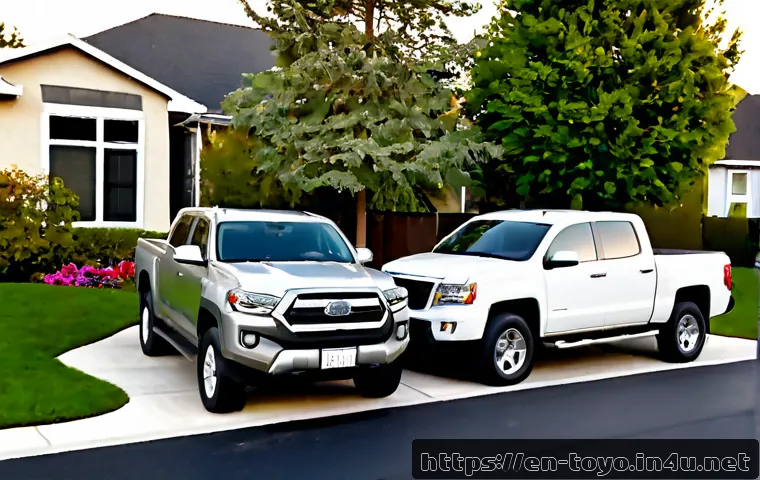
Neither truck is automatically the better buy because towing, payload, equipment, and out-the-door cost change by model year and configuration. Start with how you will use the truck on workdays, weekends, and towing days.
Then compare matching builds, not just the truck names or a low advertised monthly payment. Before committing, request local quotes and verify the exact specifications for the truck you intend to buy.
At a Glance
- Tacoma: A strong starting point for shoppers who prioritize a broad selection of off-road-oriented trims.
- Ranger: A strong starting point when the available configuration, driving experience, capability needs, and local offer fit better.
- Compare complete builds: Towing, payload, equipment, financing, insurance, and final purchase cost can differ substantially by configuration.
| Decision Area | Toyota Tacoma | Ford Ranger | What to Verify |
|---|---|---|---|
| Daily use | Match the cab, bed, comfort equipment, and parking needs to your routine. | Match the cab, bed, driving feel, and available equipment to your routine. | Rear-seat use, visibility, ride preference, and garage or parking fit. |
| Off-road focus | Toyota positions Tacoma with a broad range of off-road-oriented trims. | Ford offers off-road-focused variants, including Ranger Raptor in applicable model years. | Suspension, tires, drivetrain, recovery provisions, and real trail needs. |
| Towing and work | Ratings vary by drivetrain, cab, bed, equipment, and model year. | Ratings vary by drivetrain, cab, bed, equipment, and model year. | Payload label, trailer tongue weight, hitch equipment, passengers, and cargo. |
| Purchase cost | Compare the complete out-the-door quote. | Compare the complete out-the-door quote. | Destination, accessories, taxes, registration, finance terms, insurance, and trade-in terms. |
The Quick Verdict: Match the Truck to the Job You Actually Do
Choose Tacoma when off-road trim selection and your preferred ownership priorities lead the decision
The Tacoma deserves close attention when you want to explore a wide range of off-road-oriented trim choices. That does not mean every Tacoma is the right truck for every trail, trailer, or commute. Start by deciding whether your real priority is weekend recreation, a practical four-door pickup, light work, or a mix of all three. Then compare the exact cab, bed, drivetrain, tires, and equipment package rather than assuming one trim name answers every need.
Choose Ranger when its configuration, driving feel, capability needs, and local deal are the better match
The Ranger can be the better fit when the available build suits your passenger needs, bed requirements, and intended driving experience. Ford also offers off-road-focused Ranger variants, including the Ranger Raptor in applicable model years. A test drive matters here: use familiar roads, try typical parking situations, and sit in every seating position your household will use. If a Ranger dealer has the right equipment in local inventory and provides a clearer out-the-door quote, that can be more meaningful than a generic comparison.
Three checks to make before comparing monthly payments
First, compare the out-the-door price, not just MSRP. Second, confirm that both quotes cover comparable trucks with comparable equipment. Third, review the financing term, down payment, trade-in treatment, and any optional products separately. A lower payment can result from a longer loan term rather than a lower overall purchase cost.
Side-by-Side Buying Comparison: Cab, Bed, Power, Towing, and Daily Use
Cab and bed layout for passengers, tools, and weekend gear
Both truck lines offer four-door cab configurations and multiple bed-length or configuration choices depending on model year. Bring a realistic list to the dealership: child seats, work tools, camping bins, a bicycle, or the gear you normally carry. The right layout is the one that handles your usual load without turning every trip into a compromise. Also check how easily rear passengers enter, where smaller items can be secured, and whether the bed length supports your actual cargo.
Powertrain and drivetrain choices: verify the exact trim, not the nameplate
Available powertrains and drivetrains vary by model year and trim. Do not compare a general Tacoma specification against a general Ranger specification. Ask for the manufacturer specification sheet for each vehicle identification number or exact build. This helps you confirm equipment that affects capability, driving behavior, and the price of the vehicle you are actually considering.
Towing and payload: why the highest advertised number may not apply to your build
Maximum towing and payload figures depend on drivetrain, cab, bed, equipment, and manufacturer specifications. The highest number associated with a truck line may not apply to the truck on the lot. For trailer use, focus on payload first: passengers, bed cargo, hitch equipment, and trailer tongue weight all affect what the truck can carry. Ask the dealer or manufacturer documentation to confirm the relevant ratings for your exact configuration before selecting a trailer or hitch setup.
Ride, parking, visibility, and everyday comfort considerations
A midsize truck may be used more often for commuting than towing, so daily comfort deserves real weight. Test visibility, turning and parking confidence, seating support, rear-seat space, and the controls you will use every day. If you split driving duties with a family member, have both drivers test the truck. The better truck on paper is not always the easier truck to live with.
Price and Ownership Value: Compare the Out-the-Door Cost, Not Just MSRP
MSRP, destination fees, dealer accessories, taxes, and registration
MSRP is only one part of a new-truck purchase. Your final quote can also include destination charges, dealer-installed accessories, taxes, registration, and other location-specific items. Ask for a written itemized out-the-door figure for each Tacoma and Ranger you are comparing. If accessories are listed, ask whether they are required, what they add to the purchase price, and whether the same equipment is included on the competing quote.
Financing, lease, trade-in, and insurance questions to ask before signing
Current APR offers, lease payments, incentives, dealer markups, and trade-in value are not universal. Compare finance offers using the same down payment and term whenever possible. If you have a trade-in, request its value separately from the new-truck quote so the numbers remain easy to evaluate. Before signing, obtain insurance quotes for the specific trims and confirm what coverage fits your needs.
Fuel, maintenance, tires, and off-road accessory budget planning
Ownership planning should include more than the purchase payment. Build a separate budget for fuel, routine maintenance, tires, insurance, and accessories you genuinely expect to install. Off-road equipment can be useful, but it may also change how the truck is used and what it costs to maintain. Buy the equipment that supports your actual routine instead of paying for a look you may not need.
Off-Road, Work, and Family Use: Where Each Truck Can Make More Sense
Trail and recreation buyers: suspension, tires, recovery points, and practical limits
For trail use, compare the exact off-road trim and its installed equipment. Consider suspension, tires, drivetrain, recovery-related equipment, underbody protection where applicable, and the practical limits of the routes you plan to drive. Tacoma shoppers may value the broad off-road trim range. Ranger shoppers may want to evaluate Ford’s off-road variants, including Ranger Raptor where available. In either case, match the truck to your skill level and intended terrain.
Light-work and towing buyers: payload-first planning and equipment needs

For light work, do not select a truck solely from a maximum tow headline. Make a list of people, tools, bed cargo, hitch hardware, and trailer needs. Then verify the truck’s payload label and towing specifications for that build. A truck that meets your normal working load with a comfortable margin is often a better choice than one selected only for an occasional maximum-use scenario.
Daily commuters and families: rear-seat use, comfort features, and parking realities
If the truck will carry family members regularly, prioritize rear-seat access and usable space before adding off-road equipment. Review the safety and comfort features that matter to your household, then test them during a drive. Consider where you park at home, at work, and on weekends. A configuration that fits your daily environment is easier to keep and enjoy.
Avoid These Midsize Truck Comparison Mistakes
Comparing trims with very different equipment and drivetrains
Comparing a basic truck to a heavily equipped off-road model can distort the value discussion. Build a short list of must-have equipment, then compare trucks with similar cab, bed, drivetrain, and purpose.
Treating a tow rating as a complete trailer-safety calculation
A tow rating is not the entire answer. Trailer tongue weight, passengers, cargo, hitch equipment, and payload limits still matter. Confirm the manufacturer information for the exact truck and your intended trailer setup.
Letting a low monthly payment hide a longer loan term or added products
Ask for the selling price, itemized fees, APR, term length, total financed amount, and any optional products. Review each line before deciding. This makes a Tacoma-versus-Ranger financing comparison clearer and more useful.
Selection Criteria and Comparison Summary
A five-question Tacoma-or-Ranger decision checklist
1. Will the truck mainly commute, tow, work, travel off-road, or do all four? 2. Which cab and bed layout fits the people and cargo you carry most often? 3. Does the exact build have the payload and towing specifications your real setup requires? 4. Are the off-road features practical for your planned use? 5. Which itemized out-the-door quote fits your financing, insurance, and ownership budget?
What to bring when requesting dealer quotes or arranging a test drive
Bring your trade-in details, preferred down payment, desired finance term, insurance questions, trailer information if relevant, and a list of required features. Request quotes for specific vehicles rather than broad trim names. Check official vehicle details and local dealer inventory pages for the exact configuration and current conditions.
Final comparison table: best fit by use case, budget structure, and equipment priorities
| Priority | Better Starting Point | Final Decision Check |
|---|---|---|
| Broad off-road trim exploration | Tacoma | Confirm the selected trim has equipment you will genuinely use. |
| Available Ranger configuration or local offer | Ranger | Compare the itemized out-the-door quote against a similarly equipped Tacoma. |
| Trailer or work equipment | Either truck | Verify payload, towing specifications, passengers, cargo, and hitch setup. |
| Daily family use | Either truck | Test rear-seat access, comfort features, parking, and visibility. |
In Closing
The Toyota Tacoma and Ford Ranger are both worth a close look for U.S. midsize-truck shoppers. The strongest choice depends on the exact configuration, how you will use it, and the complete cost of ownership you can support. Focus on comparable builds, not broad claims. An itemized dealer quote, a careful test drive, and an insurance check can turn a difficult comparison into a practical decision.
Useful Things to Know
• Local inventory can affect which cab, bed, trim, and equipment combinations you can evaluate.
• Dealer-installed accessories can change the final purchase price.
• A trade-in offer is easier to compare when it is shown separately from the new-truck price.
• The exact vehicle configuration matters more than a nameplate-wide towing or payload claim.
Important Considerations
Specifications, pricing, incentives, lease terms, financing offers, insurance premiums, inventory, and dealer practices can change by model year, location, and individual vehicle. Verify all capability figures with manufacturer documentation for the exact truck being considered. Confirm whether a particular truck can safely handle a trailer only after accounting for passengers, cargo, hitch equipment, trailer tongue weight, and its applicable payload limits.
Frequently Asked Questions
Q1. Is the Toyota Tacoma or Ford Ranger better for towing?
A1. Neither is automatically better for every towing job. Maximum towing figures vary by model year, drivetrain, cab, bed, and equipment. Compare the exact truck’s specifications, then account for payload, passengers, cargo, hitch equipment, and trailer tongue weight.
Q2. Which midsize truck is the better value after financing, insurance, and dealer fees?
A2. The better value is the one with the more suitable configuration and the more manageable total ownership budget. Compare itemized out-the-door quotes, financing terms, trade-in treatment, insurance quotes, expected accessories, and ongoing operating costs. Do not rely on MSRP or monthly payment alone.
Q3. Should I choose an off-road trim if I mostly commute but take occasional camping trips?
A3. Choose an off-road trim when its equipment supports the places you actually plan to drive and its cost fits your budget. For occasional camping, first consider cab comfort, cargo needs, tires, drivetrain, and the type of roads you will use. A test drive can help determine whether the daily trade-offs are worthwhile.