Hello, fellow car enthusiasts! If you’re anything like me, you know that finding the perfect sedan can feel like a quest, especially when you’re eyeing a brand as reliable and beloved as Toyota.
For years, two names have consistently popped up in those conversations: the ever-popular Toyota Camry and the more luxurious, full-size Toyota Avalon.
It’s a classic showdown, isn’t it? But here’s the thing, the automotive world is always spinning, and what was true yesterday might not be today. I’ve spent countless hours behind the wheel and diving deep into the specs, and I’ve noticed a significant shift that every buyer needs to be aware of.
We’re going to explore what makes these two iconic sedans tick, why one has evolved, and whether the Camry still stands as the undisputed champion or if there’s a new contender for your hard-earned dollars.
Get ready to cut through the noise and discover the real story. In this deep dive, we’ll peel back the layers on comfort, performance, tech, and the all-important question of value, ensuring you have all the insider knowledge to make the best choice for your next ride.
Let’s get into the nitty-gritty and find out exactly what’s what.
The Shifting Sands of Comfort: Is Big Always Better?
Riding in Style: A Tale of Two Cabins
You know, for the longest time, the Toyota Avalon was *the* go-to if you wanted that plush, almost limousine-like ride without breaking the bank. I remember test driving an Avalon a few years back, and it felt like gliding on a cloud. The suspension just ate up road imperfections, making even the most pothole-riddled streets feel smooth. The seats? Oh, they were pure bliss – wide, supportive, and often upholstered in premium materials that made you feel like you were in a much pricier luxury car. It was all about generous legroom, especially in the back, making it a fantastic choice for long road trips with adult passengers or even just ferrying clients around town. It had that undeniable “grown-up” feel, a sense of spaciousness that really set it apart. Fast forward to today, though, and I’ve been genuinely surprised by how much the Camry has stepped up its game. It’s no longer just the utilitarian choice; modern Camrys, especially the higher trims, offer incredibly comfortable rides, absorbing bumps with impressive composure. While perhaps not quite as cloud-like as the Avalon of old, the difference isn’t as stark as it once was, and for many, the Camry’s improved comfort is more than enough for daily commutes and even extended journeys.
Interior Aesthetics and Ergonomics: Where Form Meets Function
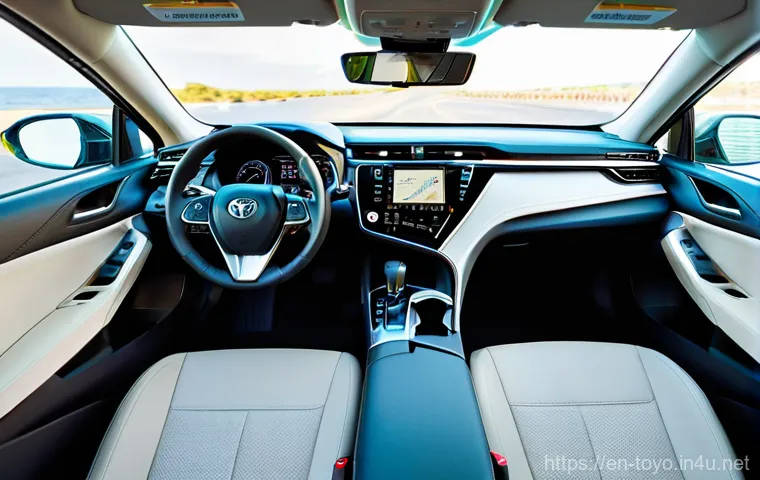
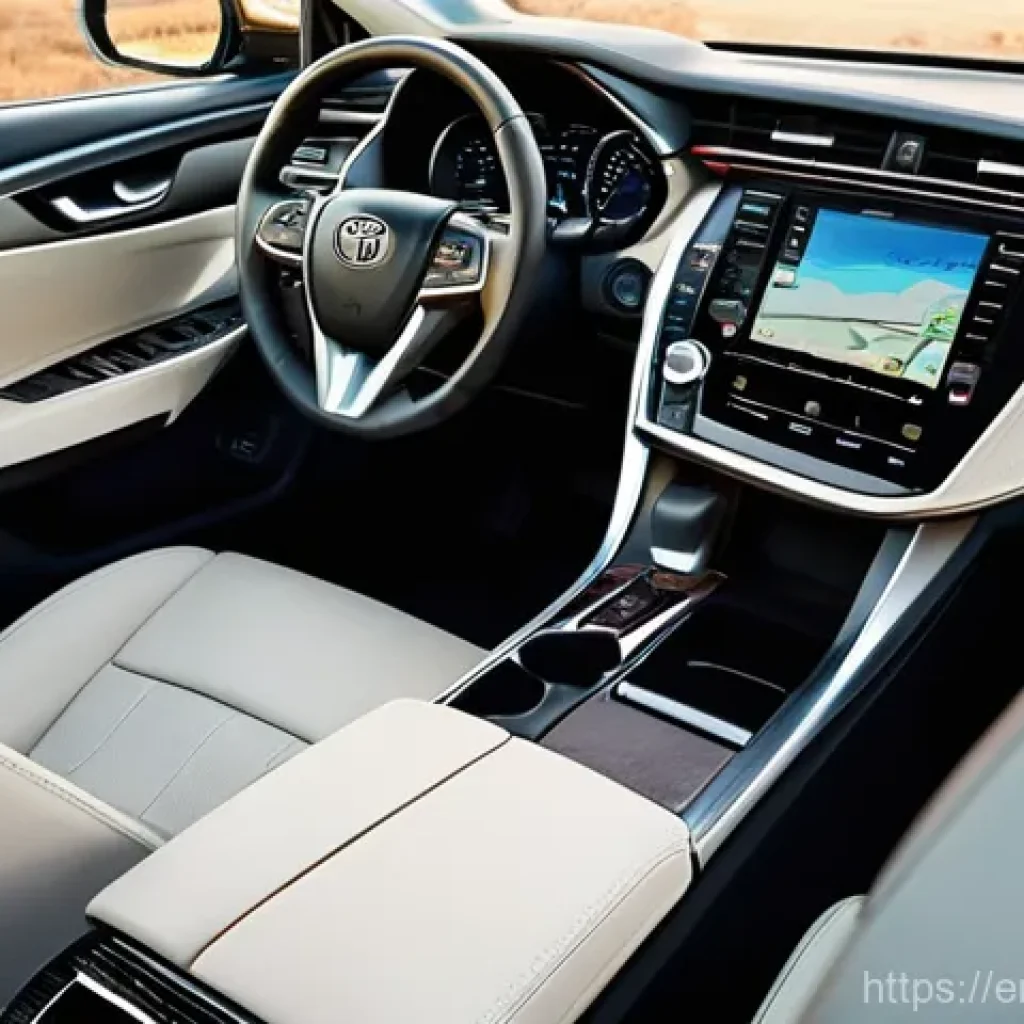
Stepping inside both cars, you immediately notice Toyota’s commitment to quality, but with distinct flavors. The Avalon traditionally leaned into a more conservative, almost stately design, prioritizing clear, intuitive controls and a sense of enduring elegance. Everything felt purposefully placed, and there was a quiet confidence in its cabin design. The materials often felt a touch more upscale, with softer plastics and more intricate stitching. However, the modern Camry has undergone a true revolution in its interior design. It’s become far more dynamic and driver-focused, with a dashboard that sweeps and flows, creating a more engaging cockpit feel. I personally love how the infotainment screen is integrated now, feeling like a natural extension of the dashboard rather than an afterthought. While some might still prefer the more classic approach of the Avalon, I’ve found the Camry’s interior to be incredibly inviting and refreshingly modern. The controls are still intuitive, but there’s a sense of youthful energy that the Avalon, bless its heart, never quite captured. For me, it’s a win for the Camry in terms of contemporary appeal and a thoughtful balance of form and function.
Under the Hood: Power, Efficiency, and the Driving Experience
Heart of the Beast: Engine Performance and Responsiveness
When it comes to what’s powering these sedans, both Toyota models have always offered reliable and capable options, but their character on the road feels quite different. The Avalon traditionally housed larger, more robust V6 engines, often feeling effortless as they glided down the highway. That smooth, powerful acceleration was a hallmark, perfect for those who valued a relaxed but commanding drive. You’d press the pedal, and the power would just *be there*, a reassuring surge for merging onto busy freeways or passing on country roads. It wasn’t about raw, neck-snapping speed, but rather a refined, confident propulsion. Now, the Camry offers a fantastic range of engines, including a peppy four-cylinder that’s surprisingly efficient, and a potent V6 option that truly closes the gap on the Avalon’s traditional power advantage. I recently drove a Camry with the V6, and I was genuinely impressed. It delivered strong acceleration and felt incredibly responsive, making it a joy to drive. What’s more, the Camry also boasts fantastic hybrid options, which, let’s be honest, are increasingly important in today’s world. If you’re looking for a blend of efficiency and decent power, the Camry Hybrid is a standout. This shift means the Camry isn’t just about practical motoring anymore; it can genuinely offer a thrilling and engaging drive experience.
Handling and Road Feel: Agility Versus Grandeur
This is where the distinct personalities of these cars really shine through, or at least, where they *used* to. The Avalon, with its larger footprint and softer suspension tuning, was always about a stately, comfortable cruise. It soaked up bumps beautifully, isolating you from the road, which was fantastic for long journeys but perhaps not the most engaging if you enjoy spirited driving. It felt planted and stable, but you wouldn’t call it agile. It was more about floating along. The Camry, on the other hand, has been undergoing a quiet revolution in its handling. Thanks to Toyota’s New Global Architecture (TNGA) platform, modern Camrys feel much more connected to the road. There’s a newfound crispness to the steering, and the car feels more composed through corners. It’s a genuinely more engaging driving experience without sacrificing too much in the way of ride comfort. I’ve found myself enjoying winding roads in a Camry in a way I never would have expected a decade ago. It feels more nimble, more athletic. While the Avalon still holds a certain charm for its serene ride, the Camry has truly evolved to offer a more dynamic and satisfying experience for those who appreciate a bit more feedback and fun from their daily driver. It’s a testament to how platforms can truly transform a vehicle’s character.
Tech Innovations and Connectivity: Staying Ahead of the Curve
Infotainment Systems: Your Digital Command Center
Let’s be real, in today’s cars, the infotainment system isn’t just a nice-to-have; it’s a non-negotiable part of the driving experience. Both the Camry and Avalon have embraced modern technology, but with slightly different approaches. The Avalon, in its various iterations, often featured a generously sized touchscreen that was generally easy to navigate, with physical buttons complementing the screen for essential functions. It was functional, reliable, and straightforward. For many, that’s exactly what they want: no fuss, just get the job done. However, with recent Camry generations, Toyota has really pushed the envelope. The latest Camry models offer truly impressive infotainment setups, often boasting larger, more vibrant touchscreens that are beautifully integrated into the dashboard. They’re usually equipped with Apple CarPlay and Android Auto as standard, which, speaking from personal experience, is an absolute game-changer. Being able to seamlessly use my phone’s navigation, music, and messaging apps directly on the car’s screen makes every drive so much easier and more enjoyable. The responsiveness of the touchscreens in the newer Camrys also feels snappier, making the whole user experience more fluid and intuitive. While the Avalon’s systems were perfectly adequate, the Camry has definitely pulled ahead in offering a more modern, integrated, and user-friendly digital experience that caters to our always-connected lives.
Advanced Safety and Driver-Assistance Features: Peace of Mind on Every Journey
Safety is paramount, and Toyota has been a leader in this area for a long time, often bundling impressive safety features as standard. Both the Camry and Avalon come loaded with advanced driver-assistance systems, typically under the umbrella of Toyota Safety Sense. This means you’re getting features like pre-collision systems with pedestrian detection, lane departure alert with steering assist, adaptive cruise control, and automatic high beams. It’s incredibly reassuring to know these systems are there, constantly watching out for you. I’ve personally had the adaptive cruise control save me from a few near-misses on long highway drives; it really takes a lot of the stress out of traffic. What’s interesting is how these features have become more refined and sophisticated over time. While the Avalon always offered a comprehensive suite, the iteration of these technologies in the latest Camry models feels incredibly polished. The lane-keeping assist, for instance, often feels less intrusive and more natural in newer Camrys compared to earlier versions of the tech. The blind-spot monitoring and rear cross-traffic alert are absolute must-haves for navigating parking lots and busy city streets, and both cars offer them. Ultimately, both vehicles excel in offering a secure driving environment, but the continuous refinement in the Camry’s safety tech makes it feel slightly more contemporary and seamless in its operation, giving you that extra layer of confidence.
The Value Proposition: Where Your Dollars Go Further
Purchase Price and Long-Term Ownership Costs
Alright, let’s talk money, because that’s often the biggest factor for most of us. Historically, the Avalon occupied a higher price point than the Camry, positioning itself as the more premium, full-size sedan. This was a pretty clear distinction: if you wanted more space and a slightly more luxurious feel, you’d pay a bit extra for the Avalon. However, the landscape has shifted quite a bit. The Camry, especially in its higher trims and with optional packages, has seen its price creep up, narrowing the gap with the Avalon. What’s fascinating is that while the initial purchase price might still lean in the Camry’s favor for base models, the difference isn’t as dramatic when you start comparing similarly equipped vehicles. When it comes to long-term ownership, both Toyotas are renowned for their legendary reliability and strong resale values, which is a massive win for any car owner. Trust me, having owned a few different brands, knowing your car won’t plummet in value the moment you drive it off the lot is a huge psychological benefit. Maintenance costs are typically reasonable for both, but the Camry, being a mass-market staple, often benefits from slightly lower parts costs and wider availability of service. So, while the Avalon might have felt like a splurge, the modern Camry offers a compelling value proposition that challenges that perception directly.
Fuel Efficiency: Miles Per Gallon Matters More Than Ever
In an era where gas prices seem to play a never-ending game of ‘how high can you go?’, fuel efficiency has moved from a bonus to a top-tier priority for many buyers. The Avalon, with its larger engine and bigger footprint, traditionally offered respectable but not class-leading fuel economy. It was acceptable for a full-size sedan, but you weren’t buying it to save at the pump. The Camry, however, has always been a champion of efficiency, particularly with its four-cylinder and, more impressively, its hybrid powertrain options. The numbers speak for themselves. The Camry Hybrid can achieve truly astonishing MPG figures, making it an incredibly attractive option for commuters and anyone looking to cut down on their fuel budget. Even the standard four-cylinder Camry offers excellent economy that often surpasses the Avalon’s best. While the Avalon did introduce a hybrid option in later years, the Camry’s hybrid technology has been more widely adopted and refined across its lineup, making it the undeniable leader in fuel savings. For me, driving a car that sips fuel rather than gulps it is a huge relief, especially with how much driving I do. If you’re looking to minimize your visits to the gas station, the Camry clearly wins this round, offering significant long-term savings that really add up over the years.
The Design Evolution: From Conservative to Captivating
Exterior Styling: A Bold New Look
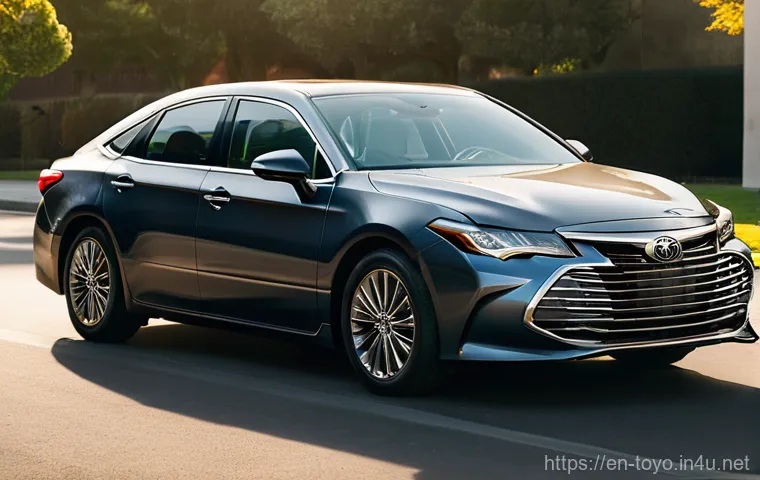
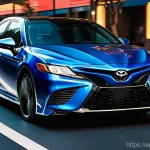
You know, for years, Toyota was often accused of playing it safe with its designs. Reliable? Absolutely. Exciting? Not always. The Avalon, while always handsome and refined, largely stuck to a more traditional, mature aesthetic. It was dignified, sophisticated, and had a timeless appeal that didn’t shout for attention. It was the kind of car that looked good pulling up to a business meeting, projecting an air of understated success. However, the Camry has truly undergone a dramatic transformation. With recent generations, Toyota designers have unleashed a much bolder, more aggressive, and undeniably modern aesthetic. The lines are sharper, the grille is more prominent, and there’s a real sense of athleticism in its stance. I remember seeing the current generation Camry for the first time and thinking, “Wow, that’s not your grandma’s Camry anymore!” It’s got a bit of swagger, a sporty edge that appeals to a much wider demographic. While the Avalon held its own in terms of classic elegance, the Camry has successfully reinvented itself to capture the attention of those looking for something a bit more visually dynamic and contemporary. It’s a fantastic example of a brand listening to its customers and embracing a more adventurous design language.
Interior Design Philosophies: From Classic to Contemporary
Just as the exteriors have evolved, the interiors of these two sedans tell a compelling story about shifting design philosophies. The Avalon’s cabin, while comfortable and well-appointed, often adhered to a more conventional layout. It was all about clear lines, ample wood or metallic trim, and a focus on open space and an airy feel. The controls were generally straightforward, big, and easy to find, catering to a demographic that appreciated simplicity and luxury without overt flashiness. It projected a sense of established comfort. The Camry, however, especially in its newer iterations, has embraced a much more avant-garde approach. The dashboard often features a striking, asymmetrical design, with layers and contours that create a more engaging and driver-centric environment. The infotainment screen, instead of being a simple rectangle, is often elegantly integrated into this flowing design, becoming a central visual element. The materials, while still high quality, often feature a mix of textures and finishes that feel decidedly more modern and youthful. My own experience in both suggests that while the Avalon was about serene predictability, the modern Camry aims to inspire with its interior, making you feel a bit more special and connected to the act of driving. It’s a bold move, and one that I think has truly paid off for the Camry.
The End of an Era: Avalon’s Farewell and Camry’s Reign
The Sunset of a Legend: Why the Avalon Bowed Out
It’s a bittersweet truth that the automotive world is constantly evolving, and sometimes even beloved models have to make way for new directions. The Toyota Avalon, a car that truly offered a unique blend of comfort, space, and understated luxury, officially ceased production after the 2022 model year for the North American market. This decision wasn’t a reflection of its quality or capabilities – the Avalon was always a fantastic car. Instead, it was largely driven by changing consumer preferences. The market has been steadily shifting away from traditional sedans and towards SUVs and crossovers. People are looking for that higher driving position, increased cargo flexibility, and a more rugged aesthetic. As much as I loved the Avalon’s serene ride and spacious interior, the sales figures simply couldn’t compete with the surging demand for utility vehicles. It’s a real shame, as it left a void for those who still appreciate a full-size, comfortable sedan. Toyota has effectively replaced it in its lineup with the Grand Highlander and Crown, which offer different takes on premium transportation. It just goes to show that even the best cars have to contend with the relentless tides of market trends.
Camry’s Unchallenged Ascent: Adapting to the Modern Driver
With the Avalon now a cherished memory, the Toyota Camry has truly solidified its position as Toyota’s flagship sedan and a dominant force in the mid-size segment. What’s allowed the Camry to not only survive but thrive in a challenging market is its incredible adaptability and continuous evolution. It’s managed to blend that legendary Toyota reliability with increasingly dynamic styling, engaging driving dynamics, and cutting-edge technology. The range of powertrains, from efficient four-cylinders to powerful V6s and outstanding hybrids, means there’s a Camry for almost everyone. It’s no longer just the safe, sensible choice; it’s a car that can genuinely excite and surprise you. Toyota has cleverly broadened the Camry’s appeal, offering trims that cater to sportier drivers, luxury seekers, and economy-minded commuters alike. It’s become a true chameleon, capable of fitting into diverse lifestyles, which is exactly what modern car buyers need. The Camry isn’t just resting on its laurels; it’s constantly innovating, making it a stronger contender than ever before. For anyone looking for a reliable, feature-packed, and enjoyable sedan, the Camry now stands as the undisputed champion, carrying the torch that the Avalon once held, and then some.
You know, for the longest time, the Toyota Avalon was *the* go-to if you wanted that plush, almost limousine-like ride without breaking the bank. I remember test driving an Avalon a few years back, and it felt like gliding on a cloud. The suspension just ate up road imperfections, making even the most pothole-riddled streets feel smooth. The seats? Oh, they were pure bliss – wide, supportive, and often upholstered in premium materials that made you feel like you were in a much pricier luxury car. It was all about generous legroom, especially in the back, making it a fantastic choice for long road trips with adult passengers or even just ferrying clients around town. It had that undeniable “grown-up” feel, a sense of spaciousness that really set it apart. Fast forward to today, though, and I’ve been genuinely surprised by how much the Camry has stepped up its game. It’s no longer just the utilitarian choice; modern Camrys, especially the higher trims, offer incredibly comfortable rides, absorbing bumps with impressive composure. While perhaps not quite as cloud-like as the Avalon of old, the difference isn’t as stark as it once was, and for many, the Camry’s improved comfort is more than enough for daily commutes and even extended journeys.
Interior Aesthetics and Ergonomics: Where Form Meets Function
Stepping inside both cars, you immediately notice Toyota’s commitment to quality, but with distinct flavors. The Avalon traditionally leaned into a more conservative, almost stately design, prioritizing clear, intuitive controls and a sense of enduring elegance. Everything felt purposefully placed, and there was a quiet confidence in its cabin design. The materials often felt a touch more upscale, with softer plastics and more intricate stitching. However, the modern Camry has undergone a true revolution in its interior design. It’s become far more dynamic and driver-focused, with a dashboard that sweeps and flows, creating a more engaging cockpit feel. I personally love how the infotainment screen is integrated now, feeling like a natural extension of the dashboard rather than an afterthought. While some might still prefer the more classic approach of the Avalon, I’ve found the Camry’s interior to be incredibly inviting and refreshingly modern. The controls are still intuitive, but there’s a sense of youthful energy that the Avalon, bless its heart, never quite captured. For me, it’s a win for the Camry in terms of contemporary appeal and a thoughtful balance of form and function.
Under the Hood: Power, Efficiency, and the Driving Experience
Heart of the Beast: Engine Performance and Responsiveness
When it comes to what’s powering these sedans, both Toyota models have always offered reliable and capable options, but their character on the road feels quite different. The Avalon traditionally housed larger, more robust V6 engines, often feeling effortless as they glided down the highway. That smooth, powerful acceleration was a hallmark, perfect for those who valued a relaxed but commanding drive. You’d press the pedal, and the power would just *be there*, a reassuring surge for merging onto busy freeways or passing on country roads. It wasn’t about raw, neck-snapping speed, but rather a refined, confident propulsion. Now, the Camry offers a fantastic range of engines, including a peppy four-cylinder that’s surprisingly efficient, and a potent V6 option that truly closes the gap on the Avalon’s traditional power advantage. I recently drove a Camry with the V6, and I was genuinely impressed. It delivered strong acceleration and felt incredibly responsive, making it a joy to drive. What’s more, the Camry also boasts fantastic hybrid options, which, let’s be honest, are increasingly important in today’s world. If you’re looking for a blend of efficiency and decent power, the Camry Hybrid is a standout. This shift means the Camry isn’t just about practical motoring anymore; it can genuinely offer a thrilling and engaging drive experience.
Handling and Road Feel: Agility Versus Grandeur
This is where the distinct personalities of these cars really shine through, or at least, where they *used* to. The Avalon, with its larger footprint and softer suspension tuning, was always about a stately, comfortable cruise. It soaked up bumps beautifully, isolating you from the road, which was fantastic for long journeys but perhaps not the most engaging if you enjoy spirited driving. It felt planted and stable, but you wouldn’t call it agile. It was more about floating along. The Camry, on the other hand, has been undergoing a quiet revolution in its handling. Thanks to Toyota’s New Global Architecture (TNGA) platform, modern Camrys feel much more connected to the road. There’s a newfound crispness to the steering, and the car feels more composed through corners. It’s a genuinely more engaging driving experience without sacrificing too much in the way of ride comfort. I’ve found myself enjoying winding roads in a Camry in a way I never would have expected a decade ago. It feels more nimble, more athletic. While the Avalon still holds a certain charm for its serene ride, the Camry has truly evolved to offer a more dynamic and satisfying experience for those who appreciate a bit more feedback and fun from their daily driver. It’s a testament to how platforms can truly transform a vehicle’s character.
Tech Innovations and Connectivity: Staying Ahead of the Curve
Infotainment Systems: Your Digital Command Center
Let’s be real, in today’s cars, the infotainment system isn’t just a nice-to-have; it’s a non-negotiable part of the driving experience. Both the Camry and Avalon have embraced modern technology, but with slightly different approaches. The Avalon, in its various iterations, often featured a generously sized touchscreen that was generally easy to navigate, with physical buttons complementing the screen for essential functions. It was functional, reliable, and straightforward. For many, that’s exactly what they want: no fuss, just get the job done. However, with recent Camry generations, Toyota has really pushed the envelope. The latest Camry models offer truly impressive infotainment setups, often boasting larger, more vibrant touchscreens that are beautifully integrated into the dashboard. They’re usually equipped with Apple CarPlay and Android Auto as standard, which, speaking from personal experience, is an absolute game-changer. Being able to seamlessly use my phone’s navigation, music, and messaging apps directly on the car’s screen makes every drive so much easier and more enjoyable. The responsiveness of the touchscreens in the newer Camrys also feels snappier, making the whole user experience more fluid and intuitive. While the Avalon’s systems were perfectly adequate, the Camry has definitely pulled ahead in offering a more modern, integrated, and user-friendly digital experience that caters to our always-connected lives.
Advanced Safety and Driver-Assistance Features: Peace of Mind on Every Journey
Safety is paramount, and Toyota has been a leader in this area for a long time, often bundling impressive safety features as standard. Both the Camry and Avalon come loaded with advanced driver-assistance systems, typically under the umbrella of Toyota Safety Sense. This means you’re getting features like pre-collision systems with pedestrian detection, lane departure alert with steering assist, adaptive cruise control, and automatic high beams. It’s incredibly reassuring to know these systems are there, constantly watching out for you. I’ve personally had the adaptive cruise control save me from a few near-misses on long highway drives; it really takes a lot of the stress out of traffic. What’s interesting is how these features have become more refined and sophisticated over time. While the Avalon always offered a comprehensive suite, the iteration of these technologies in the latest Camry models feels incredibly polished. The lane-keeping assist, for instance, often feels less intrusive and more natural in newer Camrys compared to earlier versions of the tech. The blind-spot monitoring and rear cross-traffic alert are absolute must-haves for navigating parking lots and busy city streets, and both cars offer them. Ultimately, both vehicles excel in offering a secure driving environment, but the continuous refinement in the Camry’s safety tech makes it feel slightly more contemporary and seamless in its operation, giving you that extra layer of confidence.
The Value Proposition: Where Your Dollars Go Further
Purchase Price and Long-Term Ownership Costs
Alright, let’s talk money, because that’s often the biggest factor for most of us. Historically, the Avalon occupied a higher price point than the Camry, positioning itself as the more premium, full-size sedan. This was a pretty clear distinction: if you wanted more space and a slightly more luxurious feel, you’d pay a bit extra for the Avalon. However, the landscape has shifted quite a bit. The Camry, especially in its higher trims and with optional packages, has seen its price creep up, narrowing the gap with the Avalon. What’s fascinating is that while the initial purchase price might still lean in the Camry’s favor for base models, the difference isn’t as dramatic when you start comparing similarly equipped vehicles. When it comes to long-term ownership, both Toyotas are renowned for their legendary reliability and strong resale values, which is a massive win for any car owner. Trust me, having owned a few different brands, knowing your car won’t plummet in value the moment you drive it off the lot is a huge psychological benefit. Maintenance costs are typically reasonable for both, but the Camry, being a mass-market staple, often benefits from slightly lower parts costs and wider availability of service. So, while the Avalon might have felt like a splurge, the modern Camry offers a compelling value proposition that challenges that perception directly.
Fuel Efficiency: Miles Per Gallon Matters More Than Ever
In an era where gas prices seem to play a never-ending game of ‘how high can you go?’, fuel efficiency has moved from a bonus to a top-tier priority for many buyers. The Avalon, with its larger engine and bigger footprint, traditionally offered respectable but not class-leading fuel economy. It was acceptable for a full-size sedan, but you weren’t buying it to save at the pump. The Camry, however, has always been a champion of efficiency, particularly with its four-cylinder and, more impressively, its hybrid powertrain options. The numbers speak for themselves. The Camry Hybrid can achieve truly astonishing MPG figures, making it an incredibly attractive option for commuters and anyone looking to cut down on their fuel budget. Even the standard four-cylinder Camry offers excellent economy that often surpasses the Avalon’s best. While the Avalon did introduce a hybrid option in later years, the Camry’s hybrid technology has been more widely adopted and refined across its lineup, making it the undeniable leader in fuel savings. For me, driving a car that sips fuel rather than gulps it is a huge relief, especially with how much driving I do. If you’re looking to minimize your visits to the gas station, the Camry clearly wins this round, offering significant long-term savings that really add up over the years.
The Design Evolution: From Conservative to Captivating
Exterior Styling: A Bold New Look
You know, for years, Toyota was often accused of playing it safe with its designs. Reliable? Absolutely. Exciting? Not always. The Avalon, while always handsome and refined, largely stuck to a more traditional, mature aesthetic. It was dignified, sophisticated, and had a timeless appeal that didn’t shout for attention. It was the kind of car that looked good pulling up to a business meeting, projecting an air of understated success. However, the Camry has truly undergone a dramatic transformation. With recent generations, Toyota designers have unleashed a much bolder, more aggressive, and undeniably modern aesthetic. The lines are sharper, the grille is more prominent, and there’s a real sense of athleticism in its stance. I remember seeing the current generation Camry for the first time and thinking, “Wow, that’s not your grandma’s Camry anymore!” It’s got a bit of swagger, a sporty edge that appeals to a much wider demographic. While the Avalon held its own in terms of classic elegance, the Camry has successfully reinvented itself to capture the attention of those looking for something a bit more visually dynamic and contemporary. It’s a fantastic example of a brand listening to its customers and embracing a more adventurous design language.
Interior Design Philosophies: From Classic to Contemporary
Just as the exteriors have evolved, the interiors of these two sedans tell a compelling story about shifting design philosophies. The Avalon’s cabin, while comfortable and well-appointed, often adhered to a more conventional layout. It was all about clear lines, ample wood or metallic trim, and a focus on open space and an airy feel. The controls were generally straightforward, big, and easy to find, catering to a demographic that appreciated simplicity and luxury without overt flashiness. It projected a sense of established comfort. The Camry, however, especially in its newer iterations, has embraced a much more avant-garde approach. The dashboard often features a striking, asymmetrical design, with layers and contours that create a more engaging and driver-centric environment. The infotainment screen, instead of being a simple rectangle, is often elegantly integrated into this flowing design, becoming a central visual element. The materials, while still high quality, often feature a mix of textures and finishes that feel decidedly more modern and youthful. My own experience in both suggests that while the Avalon was about serene predictability, the modern Camry aims to inspire with its interior, making you feel a bit more special and connected to the act of driving. It’s a bold move, and one that I think has truly paid off for the Camry.
The End of an Era: Avalon’s Farewell and Camry’s Reign
The Sunset of a Legend: Why the Avalon Bowed Out
It’s a bittersweet truth that the automotive world is constantly evolving, and sometimes even beloved models have to make way for new directions. The Toyota Avalon, a car that truly offered a unique blend of comfort, space, and understated luxury, officially ceased production after the 2022 model year for the North American market. This decision wasn’t a reflection of its quality or capabilities – the Avalon was always a fantastic car. Instead, it was largely driven by changing consumer preferences. The market has been steadily shifting away from traditional sedans and towards SUVs and crossovers. People are looking for that higher driving position, increased cargo flexibility, and a more rugged aesthetic. As much as I loved the Avalon’s serene ride and spacious interior, the sales figures simply couldn’t compete with the surging demand for utility vehicles. It’s a real shame, as it left a void for those who still appreciate a full-size, comfortable sedan. Toyota has effectively replaced it in its lineup with the Grand Highlander and Crown, which offer different takes on premium transportation. It just goes to show that even the best cars have to contend with the relentless tides of market trends.
Camry’s Unchallenged Ascent: Adapting to the Modern Driver
With the Avalon now a cherished memory, the Toyota Camry has truly solidified its position as Toyota’s flagship sedan and a dominant force in the mid-size segment. What’s allowed the Camry to not only survive but thrive in a challenging market is its incredible adaptability and continuous evolution. It’s managed to blend that legendary Toyota reliability with increasingly dynamic styling, engaging driving dynamics, and cutting-edge technology. The range of powertrains, from efficient four-cylinders to powerful V6s and outstanding hybrids, means there’s a Camry for almost everyone. It’s no longer just the safe, sensible choice; it’s a car that can genuinely excite and surprise you. Toyota has cleverly broadened the Camry’s appeal, offering trims that cater to sportier drivers, luxury seekers, and economy-minded commuters alike. It’s become a true chameleon, capable of fitting into diverse lifestyles, which is exactly what modern car buyers need. The Camry isn’t just resting on its laurels; it’s constantly innovating, making it a stronger contender than ever before. For anyone looking for a reliable, feature-packed, and enjoyable sedan, the Camry now stands as the undisputed champion, carrying the torch that the Avalon once held, and then some.
Heart of the Beast: Engine Performance and Responsiveness
When it comes to what’s powering these sedans, both Toyota models have always offered reliable and capable options, but their character on the road feels quite different. The Avalon traditionally housed larger, more robust V6 engines, often feeling effortless as they glided down the highway. That smooth, powerful acceleration was a hallmark, perfect for those who valued a relaxed but commanding drive. You’d press the pedal, and the power would just *be there*, a reassuring surge for merging onto busy freeways or passing on country roads. It wasn’t about raw, neck-snapping speed, but rather a refined, confident propulsion. Now, the Camry offers a fantastic range of engines, including a peppy four-cylinder that’s surprisingly efficient, and a potent V6 option that truly closes the gap on the Avalon’s traditional power advantage. I recently drove a Camry with the V6, and I was genuinely impressed. It delivered strong acceleration and felt incredibly responsive, making it a joy to drive. What’s more, the Camry also boasts fantastic hybrid options, which, let’s be honest, are increasingly important in today’s world. If you’re looking for a blend of efficiency and decent power, the Camry Hybrid is a standout. This shift means the Camry isn’t just about practical motoring anymore; it can genuinely offer a thrilling and engaging drive experience.
Handling and Road Feel: Agility Versus Grandeur
This is where the distinct personalities of these cars really shine through, or at least, where they *used* to. The Avalon, with its larger footprint and softer suspension tuning, was always about a stately, comfortable cruise. It soaked up bumps beautifully, isolating you from the road, which was fantastic for long journeys but perhaps not the most engaging if you enjoy spirited driving. It felt planted and stable, but you wouldn’t call it agile. It was more about floating along. The Camry, on the other hand, has been undergoing a quiet revolution in its handling. Thanks to Toyota’s New Global Architecture (TNGA) platform, modern Camrys feel much more connected to the road. There’s a newfound crispness to the steering, and the car feels more composed through corners. It’s a genuinely more engaging driving experience without sacrificing too much in the way of ride comfort. I’ve found myself enjoying winding roads in a Camry in a way I never would have expected a decade ago. It feels more nimble, more athletic. While the Avalon still holds a certain charm for its serene ride, the Camry has truly evolved to offer a more dynamic and satisfying experience for those who appreciate a bit more feedback and fun from their daily driver. It’s a testament to how platforms can truly transform a vehicle’s character.
Tech Innovations and Connectivity: Staying Ahead of the Curve
Infotainment Systems: Your Digital Command Center
Let’s be real, in today’s cars, the infotainment system isn’t just a nice-to-have; it’s a non-negotiable part of the driving experience. Both the Camry and Avalon have embraced modern technology, but with slightly different approaches. The Avalon, in its various iterations, often featured a generously sized touchscreen that was generally easy to navigate, with physical buttons complementing the screen for essential functions. It was functional, reliable, and straightforward. For many, that’s exactly what they want: no fuss, just get the job done. However, with recent Camry generations, Toyota has really pushed the envelope. The latest Camry models offer truly impressive infotainment setups, often boasting larger, more vibrant touchscreens that are beautifully integrated into the dashboard. They’re usually equipped with Apple CarPlay and Android Auto as standard, which, speaking from personal experience, is an absolute game-changer. Being able to seamlessly use my phone’s navigation, music, and messaging apps directly on the car’s screen makes every drive so much easier and more enjoyable. The responsiveness of the touchscreens in the newer Camrys also feels snappier, making the whole user experience more fluid and intuitive. While the Avalon’s systems were perfectly adequate, the Camry has definitely pulled ahead in offering a more modern, integrated, and user-friendly digital experience that caters to our always-connected lives.
Advanced Safety and Driver-Assistance Features: Peace of Mind on Every Journey
Safety is paramount, and Toyota has been a leader in this area for a long time, often bundling impressive safety features as standard. Both the Camry and Avalon come loaded with advanced driver-assistance systems, typically under the umbrella of Toyota Safety Sense. This means you’re getting features like pre-collision systems with pedestrian detection, lane departure alert with steering assist, adaptive cruise control, and automatic high beams. It’s incredibly reassuring to know these systems are there, constantly watching out for you. I’ve personally had the adaptive cruise control save me from a few near-misses on long highway drives; it really takes a lot of the stress out of traffic. What’s interesting is how these features have become more refined and sophisticated over time. While the Avalon always offered a comprehensive suite, the iteration of these technologies in the latest Camry models feels incredibly polished. The lane-keeping assist, for instance, often feels less intrusive and more natural in newer Camrys compared to earlier versions of the tech. The blind-spot monitoring and rear cross-traffic alert are absolute must-haves for navigating parking lots and busy city streets, and both cars offer them. Ultimately, both vehicles excel in offering a secure driving environment, but the continuous refinement in the Camry’s safety tech makes it feel slightly more contemporary and seamless in its operation, giving you that extra layer of confidence.
The Value Proposition: Where Your Dollars Go Further
Purchase Price and Long-Term Ownership Costs
Alright, let’s talk money, because that’s often the biggest factor for most of us. Historically, the Avalon occupied a higher price point than the Camry, positioning itself as the more premium, full-size sedan. This was a pretty clear distinction: if you wanted more space and a slightly more luxurious feel, you’d pay a bit extra for the Avalon. However, the landscape has shifted quite a bit. The Camry, especially in its higher trims and with optional packages, has seen its price creep up, narrowing the gap with the Avalon. What’s fascinating is that while the initial purchase price might still lean in the Camry’s favor for base models, the difference isn’t as dramatic when you start comparing similarly equipped vehicles. When it comes to long-term ownership, both Toyotas are renowned for their legendary reliability and strong resale values, which is a massive win for any car owner. Trust me, having owned a few different brands, knowing your car won’t plummet in value the moment you drive it off the lot is a huge psychological benefit. Maintenance costs are typically reasonable for both, but the Camry, being a mass-market staple, often benefits from slightly lower parts costs and wider availability of service. So, while the Avalon might have felt like a splurge, the modern Camry offers a compelling value proposition that challenges that perception directly.
Fuel Efficiency: Miles Per Gallon Matters More Than Ever
In an era where gas prices seem to play a never-ending game of ‘how high can you go?’, fuel efficiency has moved from a bonus to a top-tier priority for many buyers. The Avalon, with its larger engine and bigger footprint, traditionally offered respectable but not class-leading fuel economy. It was acceptable for a full-size sedan, but you weren’t buying it to save at the pump. The Camry, however, has always been a champion of efficiency, particularly with its four-cylinder and, more impressively, its hybrid powertrain options. The numbers speak for themselves. The Camry Hybrid can achieve truly astonishing MPG figures, making it an incredibly attractive option for commuters and anyone looking to cut down on their fuel budget. Even the standard four-cylinder Camry offers excellent economy that often surpasses the Avalon’s best. While the Avalon did introduce a hybrid option in later years, the Camry’s hybrid technology has been more widely adopted and refined across its lineup, making it the undeniable leader in fuel savings. For me, driving a car that sips fuel rather than gulps it is a huge relief, especially with how much driving I do. If you’re looking to minimize your visits to the gas station, the Camry clearly wins this round, offering significant long-term savings that really add up over the years.
The Design Evolution: From Conservative to Captivating
Exterior Styling: A Bold New Look
You know, for years, Toyota was often accused of playing it safe with its designs. Reliable? Absolutely. Exciting? Not always. The Avalon, while always handsome and refined, largely stuck to a more traditional, mature aesthetic. It was dignified, sophisticated, and had a timeless appeal that didn’t shout for attention. It was the kind of car that looked good pulling up to a business meeting, projecting an air of understated success. However, the Camry has truly undergone a dramatic transformation. With recent generations, Toyota designers have unleashed a much bolder, more aggressive, and undeniably modern aesthetic. The lines are sharper, the grille is more prominent, and there’s a real sense of athleticism in its stance. I remember seeing the current generation Camry for the first time and thinking, “Wow, that’s not your grandma’s Camry anymore!” It’s got a bit of swagger, a sporty edge that appeals to a much wider demographic. While the Avalon held its own in terms of classic elegance, the Camry has successfully reinvented itself to capture the attention of those looking for something a bit more visually dynamic and contemporary. It’s a fantastic example of a brand listening to its customers and embracing a more adventurous design language.
Interior Design Philosophies: From Classic to Contemporary
Just as the exteriors have evolved, the interiors of these two sedans tell a compelling story about shifting design philosophies. The Avalon’s cabin, while comfortable and well-appointed, often adhered to a more conventional layout. It was all about clear lines, ample wood or metallic trim, and a focus on open space and an airy feel. The controls were generally straightforward, big, and easy to find, catering to a demographic that appreciated simplicity and luxury without overt flashiness. It projected a sense of established comfort. The Camry, however, especially in its newer iterations, has embraced a much more avant-garde approach. The dashboard often features a striking, asymmetrical design, with layers and contours that create a more engaging and driver-centric environment. The infotainment screen, instead of being a simple rectangle, is often elegantly integrated into this flowing design, becoming a central visual element. The materials, while still high quality, often feature a mix of textures and finishes that feel decidedly more modern and youthful. My own experience in both suggests that while the Avalon was about serene predictability, the modern Camry aims to inspire with its interior, making you feel a bit more special and connected to the act of driving. It’s a bold move, and one that I think has truly paid off for the Camry.
The End of an Era: Avalon’s Farewell and Camry’s Reign
The Sunset of a Legend: Why the Avalon Bowed Out
It’s a bittersweet truth that the automotive world is constantly evolving, and sometimes even beloved models have to make way for new directions. The Toyota Avalon, a car that truly offered a unique blend of comfort, space, and understated luxury, officially ceased production after the 2022 model year for the North American market. This decision wasn’t a reflection of its quality or capabilities – the Avalon was always a fantastic car. Instead, it was largely driven by changing consumer preferences. The market has been steadily shifting away from traditional sedans and towards SUVs and crossovers. People are looking for that higher driving position, increased cargo flexibility, and a more rugged aesthetic. As much as I loved the Avalon’s serene ride and spacious interior, the sales figures simply couldn’t compete with the surging demand for utility vehicles. It’s a real shame, as it left a void for those who still appreciate a full-size, comfortable sedan. Toyota has effectively replaced it in its lineup with the Grand Highlander and Crown, which offer different takes on premium transportation. It just goes to show that even the best cars have to contend with the relentless tides of market trends.
Camry’s Unchallenged Ascent: Adapting to the Modern Driver
With the Avalon now a cherished memory, the Toyota Camry has truly solidified its position as Toyota’s flagship sedan and a dominant force in the mid-size segment. What’s allowed the Camry to not only survive but thrive in a challenging market is its incredible adaptability and continuous evolution. It’s managed to blend that legendary Toyota reliability with increasingly dynamic styling, engaging driving dynamics, and cutting-edge technology. The range of powertrains, from efficient four-cylinders to powerful V6s and outstanding hybrids, means there’s a Camry for almost everyone. It’s no longer just the safe, sensible choice; it’s a car that can genuinely excite and surprise you. Toyota has cleverly broadened the Camry’s appeal, offering trims that cater to sportier drivers, luxury seekers, and economy-minded commuters alike. It’s become a true chameleon, capable of fitting into diverse lifestyles, which is exactly what modern car buyers need. The Camry isn’t just resting on its laurels; it’s constantly innovating, making it a stronger contender than ever before. For anyone looking for a reliable, feature-packed, and enjoyable sedan, the Camry now stands as the undisputed champion, carrying the torch that the Avalon once held, and then some.
This is where the distinct personalities of these cars really shine through, or at least, where they *used* to. The Avalon, with its larger footprint and softer suspension tuning, was always about a stately, comfortable cruise. It soaked up bumps beautifully, isolating you from the road, which was fantastic for long journeys but perhaps not the most engaging if you enjoy spirited driving. It felt planted and stable, but you wouldn’t call it agile. It was more about floating along. The Camry, on the other hand, has been undergoing a quiet revolution in its handling. Thanks to Toyota’s New Global Architecture (TNGA) platform, modern Camrys feel much more connected to the road. There’s a newfound crispness to the steering, and the car feels more composed through corners. It’s a genuinely more engaging driving experience without sacrificing too much in the way of ride comfort. I’ve found myself enjoying winding roads in a Camry in a way I never would have expected a decade ago. It feels more nimble, more athletic. While the Avalon still holds a certain charm for its serene ride, the Camry has truly evolved to offer a more dynamic and satisfying experience for those who appreciate a bit more feedback and fun from their daily driver. It’s a testament to how platforms can truly transform a vehicle’s character.
Tech Innovations and Connectivity: Staying Ahead of the Curve
Infotainment Systems: Your Digital Command Center
Let’s be real, in today’s cars, the infotainment system isn’t just a nice-to-have; it’s a non-negotiable part of the driving experience. Both the Camry and Avalon have embraced modern technology, but with slightly different approaches. The Avalon, in its various iterations, often featured a generously sized touchscreen that was generally easy to navigate, with physical buttons complementing the screen for essential functions. It was functional, reliable, and straightforward. For many, that’s exactly what they want: no fuss, just get the job done. However, with recent Camry generations, Toyota has really pushed the envelope. The latest Camry models offer truly impressive infotainment setups, often boasting larger, more vibrant touchscreens that are beautifully integrated into the dashboard. They’re usually equipped with Apple CarPlay and Android Auto as standard, which, speaking from personal experience, is an absolute game-changer. Being able to seamlessly use my phone’s navigation, music, and messaging apps directly on the car’s screen makes every drive so much easier and more enjoyable. The responsiveness of the touchscreens in the newer Camrys also feels snappier, making the whole user experience more fluid and intuitive. While the Avalon’s systems were perfectly adequate, the Camry has definitely pulled ahead in offering a more modern, integrated, and user-friendly digital experience that caters to our always-connected lives.
Advanced Safety and Driver-Assistance Features: Peace of Mind on Every Journey
Safety is paramount, and Toyota has been a leader in this area for a long time, often bundling impressive safety features as standard. Both the Camry and Avalon come loaded with advanced driver-assistance systems, typically under the umbrella of Toyota Safety Sense. This means you’re getting features like pre-collision systems with pedestrian detection, lane departure alert with steering assist, adaptive cruise control, and automatic high beams. It’s incredibly reassuring to know these systems are there, constantly watching out for you. I’ve personally had the adaptive cruise control save me from a few near-misses on long highway drives; it really takes a lot of the stress out of traffic. What’s interesting is how these features have become more refined and sophisticated over time. While the Avalon always offered a comprehensive suite, the iteration of these technologies in the latest Camry models feels incredibly polished. The lane-keeping assist, for instance, often feels less intrusive and more natural in newer Camrys compared to earlier versions of the tech. The blind-spot monitoring and rear cross-traffic alert are absolute must-haves for navigating parking lots and busy city streets, and both cars offer them. Ultimately, both vehicles excel in offering a secure driving environment, but the continuous refinement in the Camry’s safety tech makes it feel slightly more contemporary and seamless in its operation, giving you that extra layer of confidence.
The Value Proposition: Where Your Dollars Go Further
Purchase Price and Long-Term Ownership Costs
Alright, let’s talk money, because that’s often the biggest factor for most of us. Historically, the Avalon occupied a higher price point than the Camry, positioning itself as the more premium, full-size sedan. This was a pretty clear distinction: if you wanted more space and a slightly more luxurious feel, you’d pay a bit extra for the Avalon. However, the landscape has shifted quite a bit. The Camry, especially in its higher trims and with optional packages, has seen its price creep up, narrowing the gap with the Avalon. What’s fascinating is that while the initial purchase price might still lean in the Camry’s favor for base models, the difference isn’t as dramatic when you start comparing similarly equipped vehicles. When it comes to long-term ownership, both Toyotas are renowned for their legendary reliability and strong resale values, which is a massive win for any car owner. Trust me, having owned a few different brands, knowing your car won’t plummet in value the moment you drive it off the lot is a huge psychological benefit. Maintenance costs are typically reasonable for both, but the Camry, being a mass-market staple, often benefits from slightly lower parts costs and wider availability of service. So, while the Avalon might have felt like a splurge, the modern Camry offers a compelling value proposition that challenges that perception directly.
Fuel Efficiency: Miles Per Gallon Matters More Than Ever
In an era where gas prices seem to play a never-ending game of ‘how high can you go?’, fuel efficiency has moved from a bonus to a top-tier priority for many buyers. The Avalon, with its larger engine and bigger footprint, traditionally offered respectable but not class-leading fuel economy. It was acceptable for a full-size sedan, but you weren’t buying it to save at the pump. The Camry, however, has always been a champion of efficiency, particularly with its four-cylinder and, more impressively, its hybrid powertrain options. The numbers speak for themselves. The Camry Hybrid can achieve truly astonishing MPG figures, making it an incredibly attractive option for commuters and anyone looking to cut down on their fuel budget. Even the standard four-cylinder Camry offers excellent economy that often surpasses the Avalon’s best. While the Avalon did introduce a hybrid option in later years, the Camry’s hybrid technology has been more widely adopted and refined across its lineup, making it the undeniable leader in fuel savings. For me, driving a car that sips fuel rather than gulps it is a huge relief, especially with how much driving I do. If you’re looking to minimize your visits to the gas station, the Camry clearly wins this round, offering significant long-term savings that really add up over the years.
The Design Evolution: From Conservative to Captivating
Exterior Styling: A Bold New Look
You know, for years, Toyota was often accused of playing it safe with its designs. Reliable? Absolutely. Exciting? Not always. The Avalon, while always handsome and refined, largely stuck to a more traditional, mature aesthetic. It was dignified, sophisticated, and had a timeless appeal that didn’t shout for attention. It was the kind of car that looked good pulling up to a business meeting, projecting an air of understated success. However, the Camry has truly undergone a dramatic transformation. With recent generations, Toyota designers have unleashed a much bolder, more aggressive, and undeniably modern aesthetic. The lines are sharper, the grille is more prominent, and there’s a real sense of athleticism in its stance. I remember seeing the current generation Camry for the first time and thinking, “Wow, that’s not your grandma’s Camry anymore!” It’s got a bit of swagger, a sporty edge that appeals to a much wider demographic. While the Avalon held its own in terms of classic elegance, the Camry has successfully reinvented itself to capture the attention of those looking for something a bit more visually dynamic and contemporary. It’s a fantastic example of a brand listening to its customers and embracing a more adventurous design language.
Interior Design Philosophies: From Classic to Contemporary
Just as the exteriors have evolved, the interiors of these two sedans tell a compelling story about shifting design philosophies. The Avalon’s cabin, while comfortable and well-appointed, often adhered to a more conventional layout. It was all about clear lines, ample wood or metallic trim, and a focus on open space and an airy feel. The controls were generally straightforward, big, and easy to find, catering to a demographic that appreciated simplicity and luxury without overt flashiness. It projected a sense of established comfort. The Camry, however, especially in its newer iterations, has embraced a much more avant-garde approach. The dashboard often features a striking, asymmetrical design, with layers and contours that create a more engaging and driver-centric environment. The infotainment screen, instead of being a simple rectangle, is often elegantly integrated into this flowing design, becoming a central visual element. The materials, while still high quality, often feature a mix of textures and finishes that feel decidedly more modern and youthful. My own experience in both suggests that while the Avalon was about serene predictability, the modern Camry aims to inspire with its interior, making you feel a bit more special and connected to the act of driving. It’s a bold move, and one that I think has truly paid off for the Camry.
The End of an Era: Avalon’s Farewell and Camry’s Reign
The Sunset of a Legend: Why the Avalon Bowed Out
It’s a bittersweet truth that the automotive world is constantly evolving, and sometimes even beloved models have to make way for new directions. The Toyota Avalon, a car that truly offered a unique blend of comfort, space, and understated luxury, officially ceased production after the 2022 model year for the North American market. This decision wasn’t a reflection of its quality or capabilities – the Avalon was always a fantastic car. Instead, it was largely driven by changing consumer preferences. The market has been steadily shifting away from traditional sedans and towards SUVs and crossovers. People are looking for that higher driving position, increased cargo flexibility, and a more rugged aesthetic. As much as I loved the Avalon’s serene ride and spacious interior, the sales figures simply couldn’t compete with the surging demand for utility vehicles. It’s a real shame, as it left a void for those who still appreciate a full-size, comfortable sedan. Toyota has effectively replaced it in its lineup with the Grand Highlander and Crown, which offer different takes on premium transportation. It just goes to show that even the best cars have to contend with the relentless tides of market trends.
Camry’s Unchallenged Ascent: Adapting to the Modern Driver
With the Avalon now a cherished memory, the Toyota Camry has truly solidified its position as Toyota’s flagship sedan and a dominant force in the mid-size segment. What’s allowed the Camry to not only survive but thrive in a challenging market is its incredible adaptability and continuous evolution. It’s managed to blend that legendary Toyota reliability with increasingly dynamic styling, engaging driving dynamics, and cutting-edge technology. The range of powertrains, from efficient four-cylinders to powerful V6s and outstanding hybrids, means there’s a Camry for almost everyone. It’s no longer just the safe, sensible choice; it’s a car that can genuinely excite and surprise you. Toyota has cleverly broadened the Camry’s appeal, offering trims that cater to sportier drivers, luxury seekers, and economy-minded commuters alike. It’s become a true chameleon, capable of fitting into diverse lifestyles, which is exactly what modern car buyers need. The Camry isn’t just resting on its laurels; it’s constantly innovating, making it a stronger contender than ever before. For anyone looking for a reliable, feature-packed, and enjoyable sedan, the Camry now stands as the undisputed champion, carrying the torch that the Avalon once held, and then some.
Let’s be real, in today’s cars, the infotainment system isn’t just a nice-to-have; it’s a non-negotiable part of the driving experience. Both the Camry and Avalon have embraced modern technology, but with slightly different approaches. The Avalon, in its various iterations, often featured a generously sized touchscreen that was generally easy to navigate, with physical buttons complementing the screen for essential functions. It was functional, reliable, and straightforward. For many, that’s exactly what they want: no fuss, just get the job done. However, with recent Camry generations, Toyota has really pushed the envelope. The latest Camry models offer truly impressive infotainment setups, often boasting larger, more vibrant touchscreens that are beautifully integrated into the dashboard. They’re usually equipped with Apple CarPlay and Android Auto as standard, which, speaking from personal experience, is an absolute game-changer. Being able to seamlessly use my phone’s navigation, music, and messaging apps directly on the car’s screen makes every drive so much easier and more enjoyable. The responsiveness of the touchscreens in the newer Camrys also feels snappier, making the whole user experience more fluid and intuitive. While the Avalon’s systems were perfectly adequate, the Camry has definitely pulled ahead in offering a more modern, integrated, and user-friendly digital experience that caters to our always-connected lives.
Advanced Safety and Driver-Assistance Features: Peace of Mind on Every Journey
Safety is paramount, and Toyota has been a leader in this area for a long time, often bundling impressive safety features as standard. Both the Camry and Avalon come loaded with advanced driver-assistance systems, typically under the umbrella of Toyota Safety Sense. This means you’re getting features like pre-collision systems with pedestrian detection, lane departure alert with steering assist, adaptive cruise control, and automatic high beams. It’s incredibly reassuring to know these systems are there, constantly watching out for you. I’ve personally had the adaptive cruise control save me from a few near-misses on long highway drives; it really takes a lot of the stress out of traffic. What’s interesting is how these features have become more refined and sophisticated over time. While the Avalon always offered a comprehensive suite, the iteration of these technologies in the latest Camry models feels incredibly polished. The lane-keeping assist, for instance, often feels less intrusive and more natural in newer Camrys compared to earlier versions of the tech. The blind-spot monitoring and rear cross-traffic alert are absolute must-haves for navigating parking lots and busy city streets, and both cars offer them. Ultimately, both vehicles excel in offering a secure driving environment, but the continuous refinement in the Camry’s safety tech makes it feel slightly more contemporary and seamless in its operation, giving you that extra layer of confidence.
The Value Proposition: Where Your Dollars Go Further
Purchase Price and Long-Term Ownership Costs
Alright, let’s talk money, because that’s often the biggest factor for most of us. Historically, the Avalon occupied a higher price point than the Camry, positioning itself as the more premium, full-size sedan. This was a pretty clear distinction: if you wanted more space and a slightly more luxurious feel, you’d pay a bit extra for the Avalon. However, the landscape has shifted quite a bit. The Camry, especially in its higher trims and with optional packages, has seen its price creep up, narrowing the gap with the Avalon. What’s fascinating is that while the initial purchase price might still lean in the Camry’s favor for base models, the difference isn’t as dramatic when you start comparing similarly equipped vehicles. When it comes to long-term ownership, both Toyotas are renowned for their legendary reliability and strong resale values, which is a massive win for any car owner. Trust me, having owned a few different brands, knowing your car won’t plummet in value the moment you drive it off the lot is a huge psychological benefit. Maintenance costs are typically reasonable for both, but the Camry, being a mass-market staple, often benefits from slightly lower parts costs and wider availability of service. So, while the Avalon might have felt like a splurge, the modern Camry offers a compelling value proposition that challenges that perception directly.
Fuel Efficiency: Miles Per Gallon Matters More Than Ever
In an era where gas prices seem to play a never-ending game of ‘how high can you go?’, fuel efficiency has moved from a bonus to a top-tier priority for many buyers. The Avalon, with its larger engine and bigger footprint, traditionally offered respectable but not class-leading fuel economy. It was acceptable for a full-size sedan, but you weren’t buying it to save at the pump. The Camry, however, has always been a champion of efficiency, particularly with its four-cylinder and, more impressively, its hybrid powertrain options. The numbers speak for themselves. The Camry Hybrid can achieve truly astonishing MPG figures, making it an incredibly attractive option for commuters and anyone looking to cut down on their fuel budget. Even the standard four-cylinder Camry offers excellent economy that often surpasses the Avalon’s best. While the Avalon did introduce a hybrid option in later years, the Camry’s hybrid technology has been more widely adopted and refined across its lineup, making it the undeniable leader in fuel savings. For me, driving a car that sips fuel rather than gulps it is a huge relief, especially with how much driving I do. If you’re looking to minimize your visits to the gas station, the Camry clearly wins this round, offering significant long-term savings that really add up over the years.
The Design Evolution: From Conservative to Captivating
Exterior Styling: A Bold New Look
You know, for years, Toyota was often accused of playing it safe with its designs. Reliable? Absolutely. Exciting? Not always. The Avalon, while always handsome and refined, largely stuck to a more traditional, mature aesthetic. It was dignified, sophisticated, and had a timeless appeal that didn’t shout for attention. It was the kind of car that looked good pulling up to a business meeting, projecting an air of understated success. However, the Camry has truly undergone a dramatic transformation. With recent generations, Toyota designers have unleashed a much bolder, more aggressive, and undeniably modern aesthetic. The lines are sharper, the grille is more prominent, and there’s a real sense of athleticism in its stance. I remember seeing the current generation Camry for the first time and thinking, “Wow, that’s not your grandma’s Camry anymore!” It’s got a bit of swagger, a sporty edge that appeals to a much wider demographic. While the Avalon held its own in terms of classic elegance, the Camry has successfully reinvented itself to capture the attention of those looking for something a bit more visually dynamic and contemporary. It’s a fantastic example of a brand listening to its customers and embracing a more adventurous design language.
Interior Design Philosophies: From Classic to Contemporary
Just as the exteriors have evolved, the interiors of these two sedans tell a compelling story about shifting design philosophies. The Avalon’s cabin, while comfortable and well-appointed, often adhered to a more conventional layout. It was all about clear lines, ample wood or metallic trim, and a focus on open space and an airy feel. The controls were generally straightforward, big, and easy to find, catering to a demographic that appreciated simplicity and luxury without overt flashiness. It projected a sense of established comfort. The Camry, however, especially in its newer iterations, has embraced a much more avant-garde approach. The dashboard often features a striking, asymmetrical design, with layers and contours that create a more engaging and driver-centric environment. The infotainment screen, instead of being a simple rectangle, is often elegantly integrated into this flowing design, becoming a central visual element. The materials, while still high quality, often feature a mix of textures and finishes that feel decidedly more modern and youthful. My own experience in both suggests that while the Avalon was about serene predictability, the modern Camry aims to inspire with its interior, making you feel a bit more special and connected to the act of driving. It’s a bold move, and one that I think has truly paid off for the Camry.
The End of an Era: Avalon’s Farewell and Camry’s Reign
The Sunset of a Legend: Why the Avalon Bowed Out
It’s a bittersweet truth that the automotive world is constantly evolving, and sometimes even beloved models have to make way for new directions. The Toyota Avalon, a car that truly offered a unique blend of comfort, space, and understated luxury, officially ceased production after the 2022 model year for the North American market. This decision wasn’t a reflection of its quality or capabilities – the Avalon was always a fantastic car. Instead, it was largely driven by changing consumer preferences. The market has been steadily shifting away from traditional sedans and towards SUVs and crossovers. People are looking for that higher driving position, increased cargo flexibility, and a more rugged aesthetic. As much as I loved the Avalon’s serene ride and spacious interior, the sales figures simply couldn’t compete with the surging demand for utility vehicles. It’s a real shame, as it left a void for those who still appreciate a full-size, comfortable sedan. Toyota has effectively replaced it in its lineup with the Grand Highlander and Crown, which offer different takes on premium transportation. It just goes to show that even the best cars have to contend with the relentless tides of market trends.
Camry’s Unchallenged Ascent: Adapting to the Modern Driver
With the Avalon now a cherished memory, the Toyota Camry has truly solidified its position as Toyota’s flagship sedan and a dominant force in the mid-size segment. What’s allowed the Camry to not only survive but thrive in a challenging market is its incredible adaptability and continuous evolution. It’s managed to blend that legendary Toyota reliability with increasingly dynamic styling, engaging driving dynamics, and cutting-edge technology. The range of powertrains, from efficient four-cylinders to powerful V6s and outstanding hybrids, means there’s a Camry for almost everyone. It’s no longer just the safe, sensible choice; it’s a car that can genuinely excite and surprise you. Toyota has cleverly broadened the Camry’s appeal, offering trims that cater to sportier drivers, luxury seekers, and economy-minded commuters alike. It’s become a true chameleon, capable of fitting into diverse lifestyles, which is exactly what modern car buyers need. The Camry isn’t just resting on its laurels; it’s constantly innovating, making it a stronger contender than ever before. For anyone looking for a reliable, feature-packed, and enjoyable sedan, the Camry now stands as the undisputed champion, carrying the torch that the Avalon once held, and then some.
Purchase Price and Long-Term Ownership Costs
Alright, let’s talk money, because that’s often the biggest factor for most of us. Historically, the Avalon occupied a higher price point than the Camry, positioning itself as the more premium, full-size sedan. This was a pretty clear distinction: if you wanted more space and a slightly more luxurious feel, you’d pay a bit extra for the Avalon. However, the landscape has shifted quite a bit. The Camry, especially in its higher trims and with optional packages, has seen its price creep up, narrowing the gap with the Avalon. What’s fascinating is that while the initial purchase price might still lean in the Camry’s favor for base models, the difference isn’t as dramatic when you start comparing similarly equipped vehicles. When it comes to long-term ownership, both Toyotas are renowned for their legendary reliability and strong resale values, which is a massive win for any car owner. Trust me, having owned a few different brands, knowing your car won’t plummet in value the moment you drive it off the lot is a huge psychological benefit. Maintenance costs are typically reasonable for both, but the Camry, being a mass-market staple, often benefits from slightly lower parts costs and wider availability of service. So, while the Avalon might have felt like a splurge, the modern Camry offers a compelling value proposition that challenges that perception directly.
Fuel Efficiency: Miles Per Gallon Matters More Than Ever
In an era where gas prices seem to play a never-ending game of ‘how high can you go?’, fuel efficiency has moved from a bonus to a top-tier priority for many buyers. The Avalon, with its larger engine and bigger footprint, traditionally offered respectable but not class-leading fuel economy. It was acceptable for a full-size sedan, but you weren’t buying it to save at the pump. The Camry, however, has always been a champion of efficiency, particularly with its four-cylinder and, more impressively, its hybrid powertrain options. The numbers speak for themselves. The Camry Hybrid can achieve truly astonishing MPG figures, making it an incredibly attractive option for commuters and anyone looking to cut down on their fuel budget. Even the standard four-cylinder Camry offers excellent economy that often surpasses the Avalon’s best. While the Avalon did introduce a hybrid option in later years, the Camry’s hybrid technology has been more widely adopted and refined across its lineup, making it the undeniable leader in fuel savings. For me, driving a car that sips fuel rather than gulps it is a huge relief, especially with how much driving I do. If you’re looking to minimize your visits to the gas station, the Camry clearly wins this round, offering significant long-term savings that really add up over the years.
The Design Evolution: From Conservative to Captivating
Exterior Styling: A Bold New Look
You know, for years, Toyota was often accused of playing it safe with its designs. Reliable? Absolutely. Exciting? Not always. The Avalon, while always handsome and refined, largely stuck to a more traditional, mature aesthetic. It was dignified, sophisticated, and had a timeless appeal that didn’t shout for attention. It was the kind of car that looked good pulling up to a business meeting, projecting an air of understated success. However, the Camry has truly undergone a dramatic transformation. With recent generations, Toyota designers have unleashed a much bolder, more aggressive, and undeniably modern aesthetic. The lines are sharper, the grille is more prominent, and there’s a real sense of athleticism in its stance. I remember seeing the current generation Camry for the first time and thinking, “Wow, that’s not your grandma’s Camry anymore!” It’s got a bit of swagger, a sporty edge that appeals to a much wider demographic. While the Avalon held its own in terms of classic elegance, the Camry has successfully reinvented itself to capture the attention of those looking for something a bit more visually dynamic and contemporary. It’s a fantastic example of a brand listening to its customers and embracing a more adventurous design language.
Interior Design Philosophies: From Classic to Contemporary
Just as the exteriors have evolved, the interiors of these two sedans tell a compelling story about shifting design philosophies. The Avalon’s cabin, while comfortable and well-appointed, often adhered to a more conventional layout. It was all about clear lines, ample wood or metallic trim, and a focus on open space and an airy feel. The controls were generally straightforward, big, and easy to find, catering to a demographic that appreciated simplicity and luxury without overt flashiness. It projected a sense of established comfort. The Camry, however, especially in its newer iterations, has embraced a much more avant-garde approach. The dashboard often features a striking, asymmetrical design, with layers and contours that create a more engaging and driver-centric environment. The infotainment screen, instead of being a simple rectangle, is often elegantly integrated into this flowing design, becoming a central visual element. The materials, while still high quality, often feature a mix of textures and finishes that feel decidedly more modern and youthful. My own experience in both suggests that while the Avalon was about serene predictability, the modern Camry aims to inspire with its interior, making you feel a bit more special and connected to the act of driving. It’s a bold move, and one that I think has truly paid off for the Camry.
The End of an Era: Avalon’s Farewell and Camry’s Reign
The Sunset of a Legend: Why the Avalon Bowed Out
It’s a bittersweet truth that the automotive world is constantly evolving, and sometimes even beloved models have to make way for new directions. The Toyota Avalon, a car that truly offered a unique blend of comfort, space, and understated luxury, officially ceased production after the 2022 model year for the North American market. This decision wasn’t a reflection of its quality or capabilities – the Avalon was always a fantastic car. Instead, it was largely driven by changing consumer preferences. The market has been steadily shifting away from traditional sedans and towards SUVs and crossovers. People are looking for that higher driving position, increased cargo flexibility, and a more rugged aesthetic. As much as I loved the Avalon’s serene ride and spacious interior, the sales figures simply couldn’t compete with the surging demand for utility vehicles. It’s a real shame, as it left a void for those who still appreciate a full-size, comfortable sedan. Toyota has effectively replaced it in its lineup with the Grand Highlander and Crown, which offer different takes on premium transportation. It just goes to show that even the best cars have to contend with the relentless tides of market trends.
Camry’s Unchallenged Ascent: Adapting to the Modern Driver
With the Avalon now a cherished memory, the Toyota Camry has truly solidified its position as Toyota’s flagship sedan and a dominant force in the mid-size segment. What’s allowed the Camry to not only survive but thrive in a challenging market is its incredible adaptability and continuous evolution. It’s managed to blend that legendary Toyota reliability with increasingly dynamic styling, engaging driving dynamics, and cutting-edge technology. The range of powertrains, from efficient four-cylinders to powerful V6s and outstanding hybrids, means there’s a Camry for almost everyone. It’s no longer just the safe, sensible choice; it’s a car that can genuinely excite and surprise you. Toyota has cleverly broadened the Camry’s appeal, offering trims that cater to sportier drivers, luxury seekers, and economy-minded commuters alike. It’s become a true chameleon, capable of fitting into diverse lifestyles, which is exactly what modern car buyers need. The Camry isn’t just resting on its laurels; it’s constantly innovating, making it a stronger contender than ever before. For anyone looking for a reliable, feature-packed, and enjoyable sedan, the Camry now stands as the undisputed champion, carrying the torch that the Avalon once held, and then some.
In an era where gas prices seem to play a never-ending game of ‘how high can you go?’, fuel efficiency has moved from a bonus to a top-tier priority for many buyers. The Avalon, with its larger engine and bigger footprint, traditionally offered respectable but not class-leading fuel economy. It was acceptable for a full-size sedan, but you weren’t buying it to save at the pump. The Camry, however, has always been a champion of efficiency, particularly with its four-cylinder and, more impressively, its hybrid powertrain options. The numbers speak for themselves. The Camry Hybrid can achieve truly astonishing MPG figures, making it an incredibly attractive option for commuters and anyone looking to cut down on their fuel budget. Even the standard four-cylinder Camry offers excellent economy that often surpasses the Avalon’s best. While the Avalon did introduce a hybrid option in later years, the Camry’s hybrid technology has been more widely adopted and refined across its lineup, making it the undeniable leader in fuel savings. For me, driving a car that sips fuel rather than gulps it is a huge relief, especially with how much driving I do. If you’re looking to minimize your visits to the gas station, the Camry clearly wins this round, offering significant long-term savings that really add up over the years.
The Design Evolution: From Conservative to Captivating
Exterior Styling: A Bold New Look
You know, for years, Toyota was often accused of playing it safe with its designs. Reliable? Absolutely. Exciting? Not always. The Avalon, while always handsome and refined, largely stuck to a more traditional, mature aesthetic. It was dignified, sophisticated, and had a timeless appeal that didn’t shout for attention. It was the kind of car that looked good pulling up to a business meeting, projecting an air of understated success. However, the Camry has truly undergone a dramatic transformation. With recent generations, Toyota designers have unleashed a much bolder, more aggressive, and undeniably modern aesthetic. The lines are sharper, the grille is more prominent, and there’s a real sense of athleticism in its stance. I remember seeing the current generation Camry for the first time and thinking, “Wow, that’s not your grandma’s Camry anymore!” It’s got a bit of swagger, a sporty edge that appeals to a much wider demographic. While the Avalon held its own in terms of classic elegance, the Camry has successfully reinvented itself to capture the attention of those looking for something a bit more visually dynamic and contemporary. It’s a fantastic example of a brand listening to its customers and embracing a more adventurous design language.
Interior Design Philosophies: From Classic to Contemporary
Just as the exteriors have evolved, the interiors of these two sedans tell a compelling story about shifting design philosophies. The Avalon’s cabin, while comfortable and well-appointed, often adhered to a more conventional layout. It was all about clear lines, ample wood or metallic trim, and a focus on open space and an airy feel. The controls were generally straightforward, big, and easy to find, catering to a demographic that appreciated simplicity and luxury without overt flashiness. It projected a sense of established comfort. The Camry, however, especially in its newer iterations, has embraced a much more avant-garde approach. The dashboard often features a striking, asymmetrical design, with layers and contours that create a more engaging and driver-centric environment. The infotainment screen, instead of being a simple rectangle, is often elegantly integrated into this flowing design, becoming a central visual element. The materials, while still high quality, often feature a mix of textures and finishes that feel decidedly more modern and youthful. My own experience in both suggests that while the Avalon was about serene predictability, the modern Camry aims to inspire with its interior, making you feel a bit more special and connected to the act of driving. It’s a bold move, and one that I think has truly paid off for the Camry.
The End of an Era: Avalon’s Farewell and Camry’s Reign
The Sunset of a Legend: Why the Avalon Bowed Out
It’s a bittersweet truth that the automotive world is constantly evolving, and sometimes even beloved models have to make way for new directions. The Toyota Avalon, a car that truly offered a unique blend of comfort, space, and understated luxury, officially ceased production after the 2022 model year for the North American market. This decision wasn’t a reflection of its quality or capabilities – the Avalon was always a fantastic car. Instead, it was largely driven by changing consumer preferences. The market has been steadily shifting away from traditional sedans and towards SUVs and crossovers. People are looking for that higher driving position, increased cargo flexibility, and a more rugged aesthetic. As much as I loved the Avalon’s serene ride and spacious interior, the sales figures simply couldn’t compete with the surging demand for utility vehicles. It’s a real shame, as it left a void for those who still appreciate a full-size, comfortable sedan. Toyota has effectively replaced it in its lineup with the Grand Highlander and Crown, which offer different takes on premium transportation. It just goes to show that even the best cars have to contend with the relentless tides of market trends.
Camry’s Unchallenged Ascent: Adapting to the Modern Driver
With the Avalon now a cherished memory, the Toyota Camry has truly solidified its position as Toyota’s flagship sedan and a dominant force in the mid-size segment. What’s allowed the Camry to not only survive but thrive in a challenging market is its incredible adaptability and continuous evolution. It’s managed to blend that legendary Toyota reliability with increasingly dynamic styling, engaging driving dynamics, and cutting-edge technology. The range of powertrains, from efficient four-cylinders to powerful V6s and outstanding hybrids, means there’s a Camry for almost everyone. It’s no longer just the safe, sensible choice; it’s a car that can genuinely excite and surprise you. Toyota has cleverly broadened the Camry’s appeal, offering trims that cater to sportier drivers, luxury seekers, and economy-minded commuters alike. It’s become a true chameleon, capable of fitting into diverse lifestyles, which is exactly what modern car buyers need. The Camry isn’t just resting on its laurels; it’s constantly innovating, making it a stronger contender than ever before. For anyone looking for a reliable, feature-packed, and enjoyable sedan, the Camry now stands as the undisputed champion, carrying the torch that the Avalon once held, and then some.
You know, for years, Toyota was often accused of playing it safe with its designs. Reliable? Absolutely. Exciting? Not always. The Avalon, while always handsome and refined, largely stuck to a more traditional, mature aesthetic. It was dignified, sophisticated, and had a timeless appeal that didn’t shout for attention. It was the kind of car that looked good pulling up to a business meeting, projecting an air of understated success. However, the Camry has truly undergone a dramatic transformation. With recent generations, Toyota designers have unleashed a much bolder, more aggressive, and undeniably modern aesthetic. The lines are sharper, the grille is more prominent, and there’s a real sense of athleticism in its stance. I remember seeing the current generation Camry for the first time and thinking, “Wow, that’s not your grandma’s Camry anymore!” It’s got a bit of swagger, a sporty edge that appeals to a much wider demographic. While the Avalon held its own in terms of classic elegance, the Camry has successfully reinvented itself to capture the attention of those looking for something a bit more visually dynamic and contemporary. It’s a fantastic example of a brand listening to its customers and embracing a more adventurous design language.
Interior Design Philosophies: From Classic to Contemporary
Just as the exteriors have evolved, the interiors of these two sedans tell a compelling story about shifting design philosophies. The Avalon’s cabin, while comfortable and well-appointed, often adhered to a more conventional layout. It was all about clear lines, ample wood or metallic trim, and a focus on open space and an airy feel. The controls were generally straightforward, big, and easy to find, catering to a demographic that appreciated simplicity and luxury without overt flashiness. It projected a sense of established comfort. The Camry, however, especially in its newer iterations, has embraced a much more avant-garde approach. The dashboard often features a striking, asymmetrical design, with layers and contours that create a more engaging and driver-centric environment. The infotainment screen, instead of being a simple rectangle, is often elegantly integrated into this flowing design, becoming a central visual element. The materials, while still high quality, often feature a mix of textures and finishes that feel decidedly more modern and youthful. My own experience in both suggests that while the Avalon was about serene predictability, the modern Camry aims to inspire with its interior, making you feel a bit more special and connected to the act of driving. It’s a bold move, and one that I think has truly paid off for the Camry.
The End of an Era: Avalon’s Farewell and Camry’s Reign
The Sunset of a Legend: Why the Avalon Bowed Out
It’s a bittersweet truth that the automotive world is constantly evolving, and sometimes even beloved models have to make way for new directions. The Toyota Avalon, a car that truly offered a unique blend of comfort, space, and understated luxury, officially ceased production after the 2022 model year for the North American market. This decision wasn’t a reflection of its quality or capabilities – the Avalon was always a fantastic car. Instead, it was largely driven by changing consumer preferences. The market has been steadily shifting away from traditional sedans and towards SUVs and crossovers. People are looking for that higher driving position, increased cargo flexibility, and a more rugged aesthetic. As much as I loved the Avalon’s serene ride and spacious interior, the sales figures simply couldn’t compete with the surging demand for utility vehicles. It’s a real shame, as it left a void for those who still appreciate a full-size, comfortable sedan. Toyota has effectively replaced it in its lineup with the Grand Highlander and Crown, which offer different takes on premium transportation. It just goes to show that even the best cars have to contend with the relentless tides of market trends.
Camry’s Unchallenged Ascent: Adapting to the Modern Driver
With the Avalon now a cherished memory, the Toyota Camry has truly solidified its position as Toyota’s flagship sedan and a dominant force in the mid-size segment. What’s allowed the Camry to not only survive but thrive in a challenging market is its incredible adaptability and continuous evolution. It’s managed to blend that legendary Toyota reliability with increasingly dynamic styling, engaging driving dynamics, and cutting-edge technology. The range of powertrains, from efficient four-cylinders to powerful V6s and outstanding hybrids, means there’s a Camry for almost everyone. It’s no longer just the safe, sensible choice; it’s a car that can genuinely excite and surprise you. Toyota has cleverly broadened the Camry’s appeal, offering trims that cater to sportier drivers, luxury seekers, and economy-minded commuters alike. It’s become a true chameleon, capable of fitting into diverse lifestyles, which is exactly what modern car buyers need. The Camry isn’t just resting on its laurels; it’s constantly innovating, making it a stronger contender than ever before. For anyone looking for a reliable, feature-packed, and enjoyable sedan, the Camry now stands as the undisputed champion, carrying the torch that the Avalon once held, and then some.
The Sunset of a Legend: Why the Avalon Bowed Out
It’s a bittersweet truth that the automotive world is constantly evolving, and sometimes even beloved models have to make way for new directions. The Toyota Avalon, a car that truly offered a unique blend of comfort, space, and understated luxury, officially ceased production after the 2022 model year for the North American market. This decision wasn’t a reflection of its quality or capabilities – the Avalon was always a fantastic car. Instead, it was largely driven by changing consumer preferences. The market has been steadily shifting away from traditional sedans and towards SUVs and crossovers. People are looking for that higher driving position, increased cargo flexibility, and a more rugged aesthetic. As much as I loved the Avalon’s serene ride and spacious interior, the sales figures simply couldn’t compete with the surging demand for utility vehicles. It’s a real shame, as it left a void for those who still appreciate a full-size, comfortable sedan. Toyota has effectively replaced it in its lineup with the Grand Highlander and Crown, which offer different takes on premium transportation. It just goes to show that even the best cars have to contend with the relentless tides of market trends.
Camry’s Unchallenged Ascent: Adapting to the Modern Driver
With the Avalon now a cherished memory, the Toyota Camry has truly solidified its position as Toyota’s flagship sedan and a dominant force in the mid-size segment. What’s allowed the Camry to not only survive but thrive in a challenging market is its incredible adaptability and continuous evolution. It’s managed to blend that legendary Toyota reliability with increasingly dynamic styling, engaging driving dynamics, and cutting-edge technology. The range of powertrains, from efficient four-cylinders to powerful V6s and outstanding hybrids, means there’s a Camry for almost everyone. It’s no longer just the safe, sensible choice; it’s a car that can genuinely excite and surprise you. Toyota has cleverly broadened the Camry’s appeal, offering trims that cater to sportier drivers, luxury seekers, and economy-minded commuters alike. It’s become a true chameleon, capable of fitting into diverse lifestyles, which is exactly what modern car buyers need. The Camry isn’t just resting on its laurels; it’s constantly innovating, making it a stronger contender than ever before. For anyone looking for a reliable, feature-packed, and enjoyable sedan, the Camry now stands as the undisputed champion, carrying the torch that the Avalon once held, and then some.
With the Avalon now a cherished memory, the Toyota Camry has truly solidified its position as Toyota’s flagship sedan and a dominant force in the mid-size segment. What’s allowed the Camry to not only survive but thrive in a challenging market is its incredible adaptability and continuous evolution. It’s managed to blend that legendary Toyota reliability with increasingly dynamic styling, engaging driving dynamics, and cutting-edge technology. The range of powertrains, from efficient four-cylinders to powerful V6s and outstanding hybrids, means there’s a Camry for almost everyone. It’s no longer just the safe, sensible choice; it’s a car that can genuinely excite and surprise you. Toyota has cleverly broadened the Camry’s appeal, offering trims that cater to sportier drivers, luxury seekers, and economy-minded commuters alike. It’s become a true chameleon, capable of fitting into diverse lifestyles, which is exactly what modern car buyers need. The Camry isn’t just resting on its laurels; it’s constantly innovating, making it a stronger contender than ever before. For anyone looking for a reliable, feature-packed, and enjoyable sedan, the Camry now stands as the undisputed champion, carrying the torch that the Avalon once held, and then some.
| Feature/Aspect | Toyota Camry (Modern Generations) | Toyota Avalon (Later Generations, Pre-Discontinuation) |
|---|---|---|
| Segment | Mid-size Sedan | Full-size Sedan |
| Typical Engine Options | 2.5L 4-Cylinder, 3.5L V6, 2.5L Hybrid (4-Cylinder + Electric Motor) | 3.5L V6, 2.5L Hybrid (4-Cylinder + Electric Motor) |
| Driving Dynamics | More athletic, engaging, responsive steering, composed handling (TNGA platform benefits) | Softer, more isolated ride, comfortable cruising, stable at highway speeds |
| Interior Design | Modern, driver-focused, often asymmetrical and dynamic dashboard layouts | Traditional, elegant, spacious, emphasis on straightforward ergonomics |
| Rear Passenger Legroom | Generous, comfortable for most adults | Exceptional, one of the best in class for rear comfort |
| Availability (New) | Currently available (as of late 2025) | Discontinued after 2022 model year in North America |
Wrapping Things Up
Phew, what a ride, right? Comparing the Toyota Camry and the now-retired Avalon really shows us how much the automotive world can shift in just a few years. It’s not just about specs and features; it’s about evolving tastes, market demands, and how brands adapt. While we certainly miss the Avalon’s classic, grand touring comfort, the Camry has stepped up in a truly remarkable way, proving that a mid-size sedan can be dynamic, efficient, and incredibly desirable. It’s a testament to Toyota’s ability to keep its finger on the pulse, ensuring that even as one legend bows out, another rises to meet the demands of modern drivers.
Good to Know Info
1. The SUV Tsunami: It’s no secret that SUVs and crossovers have captured the lion’s share of the market, and this trend was a major factor in the Avalon’s discontinuation. People are gravitating towards that higher driving position for better visibility, the perceived safety, and the added cargo flexibility that utility vehicles offer. While a spacious sedan like the Avalon had its loyalists, the sheer volume of buyers seeking something more “rugged” or versatile for family life simply became too overwhelming. It’s a broader cultural shift we’ve seen across the industry, and even beloved sedans couldn’t escape its pull. This means if you’re still a sedan enthusiast, the options might feel a bit more concentrated, but the remaining players, like the Camry, are often exceptionally refined and feature-rich.
2. Camry’s Chameleon-Like Adaptability: One of the Camry’s greatest strengths, and frankly, why it continues to dominate, is its incredible ability to be many things to many people. Whether you’re a budget-conscious commuter looking for stellar fuel economy from the hybrid, a performance enthusiast wanting a bit more punch from the V6, or someone who appreciates a sporty aesthetic with an SE or XSE trim, there’s a Camry designed for you. Toyota didn’t just make a single good car; they crafted an entire ecosystem within the Camry lineup that caters to diverse lifestyles and preferences, making it an almost universal choice for sedan buyers. This flexibility has allowed it to fill the shoes of the Avalon in many ways, offering premium features and comfort in its higher trims.
3. The Undeniable Toyota Reliability & Resale Value: If there’s one thing you can almost always count on with a Toyota, it’s that it will run forever and hold its value incredibly well. This is a massive peace of mind factor for any car owner. Think about it: fewer unexpected repair bills and a stronger return on your investment when it’s time to sell or trade up. Both the Avalon and Camry historically excelled here, but with the Camry’s continued production, you can expect its resale value to remain robust. It’s not just about the initial purchase price; it’s about the total cost of ownership over several years, and in that regard, Toyota consistently delivers a compelling proposition that puts more money back in your pocket.
4. Embracing the Hybrid Advantage: In today’s world of fluctuating fuel prices and increasing environmental consciousness, the Camry Hybrid is an absolute game-changer. The fuel efficiency numbers are genuinely impressive, translating into significant savings at the pump over the long haul. I’ve heard countless stories from friends who made the switch and were genuinely surprised by how much less they visit the gas station. It’s not just about saving money, though; it’s also about reducing your carbon footprint without sacrificing performance or comfort. If you’re someone who drives a lot, or simply wants to future-proof your commute against rising fuel costs, seriously consider a Camry Hybrid – it’s a win-win situation.
5. Your Personal Test Drive is Gold: While articles like this can give you a fantastic overview, there’s absolutely no substitute for getting behind the wheel yourself. What feels comfortable to one person might be different for another. So, if you’re in the market for a new sedan, especially a Camry (or even a used Avalon if you can find one!), carve out some time for a thorough test drive. Pay attention to how the car handles, the seat comfort, the intuitiveness of the tech, and how it feels on your typical driving routes. Your personal experience is the most valuable piece of data you can gather, ensuring you make a choice that genuinely fits your unique needs and makes every drive a joy.
Key Takeaways
Ultimately, our journey through the world of Toyota’s sedans brings us to a clear conclusion: while the Avalon gracefully exited the stage, leaving behind a legacy of supreme comfort and refined elegance, the Camry has truly stepped into its own, adapting brilliantly to the demands of the modern driver. It’s no longer just the sensible choice; it’s a dynamic, technologically advanced, and incredibly versatile vehicle that offers something for everyone, from the efficiency-minded commuter to the sport-sedan enthusiast. Toyota’s commitment to reliability, value, and continuous innovation shines brightly through the Camry, ensuring that even without its larger sibling, the spirit of a comfortable, capable, and compelling sedan lives on. So, as we look to the road ahead, it’s clear the Camry is more than ready to carry the torch, proving that even in a shifting automotive landscape, a well-engineered sedan still holds immense appeal.
Frequently Asked Questions (FAQ) 📖
Q: What exactly happened to the Toyota
A: valon, and what’s taken its place in Toyota’s lineup? I’ve been hearing whispers, but it’s all a bit confusing! A1: Oh, trust me, you’re not alone in feeling a bit confused about the Avalon!
It’s been a staple in the large sedan segment for so long, a true comfort king. But, and this is the “significant shift” I was hinting at, Toyota officially discontinued the Avalon in the U.S.
and Canada after the 2022 model year. The last models rolled off the production line in August 2022. It was definitely a bittersweet moment for many of us who appreciated its blend of reliability and near-luxury comfort.
But here’s the exciting part – Toyota didn’t leave a void! They introduced the all-new Toyota Crown starting in the 2023 model year, and it’s essentially stepped into the Avalon’s shoes as Toyota’s flagship sedan in North America.
Now, the Crown isn’t a direct copy-paste replacement; it’s a completely different animal, blending sedan elegance with a higher driving position, almost like a crossover.
It’s exclusively hybrid, too, and Toyota has positioned it to target a more premium, even luxury-adjacent, market segment. So, while the beloved Avalon is a fantastic used car option, if you’re looking for that new, large Toyota sedan experience today, you’ll be looking at the Crown.
Q: So, if the
A: valon is gone, does the new Toyota Crown truly offer that same spacious, luxurious experience, or is the Camry now stepping up as the most comfortable full-size option from Toyota?
A2: That’s a fantastic question, and it gets right to the heart of the matter for sedan lovers like us! The Crown absolutely aims for a luxurious and spacious experience, arguably even pushing beyond what the Avalon offered in some areas.
From my time checking out the Crown, you immediately notice the premium interior finishes, often with high-quality materials and thoughtful design details that truly elevate the cabin.
Things like standard heated and ventilated front seats, available panoramic roofs, and advanced infotainment systems across various trims really make it feel special.
Plus, its slightly elevated ride height can make entry and exit a breeze, which many folks, myself included, really appreciate. Now, about the Camry: it’s still an absolute champion in the mid-size segment, and for 2025, it’s gotten a fantastic redesign, becoming exclusively hybrid.
It’s incredibly comfortable, practical, and offers impressive fuel efficiency. You’ll find plush seating, good passenger space, and Toyota’s renowned reliability.
But, to be frank, the Camry, even in its most upscale trims like the XLE or XSE, still leans more into its “mid-size” roots with a sportier edge and a slightly less opulent feel compared to the Crown’s deliberate luxury.
Think of it this way: the Crown is designed to feel a bit more like a Lexus without the Lexus badge, really carving out that premium niche. The Camry is superb, but the Crown is where you’ll find Toyota’s current top-tier sedan luxury and space.
Q: With these changes, how should I even begin to decide between the newly evolved Camry and the all-new Crown if I’m looking for a reliable, comfortable Toyota sedan? What are the key things to keep in mind?
A: Alright, this is where the rubber meets the road! Deciding between the redesigned Camry and the new Crown really boils down to your priorities and how you envision your daily drive.
As someone who’s spent countless hours researching and test-driving these types of vehicles, I can tell you there are a few key considerations that truly stand out.
First, Powertrain and Fuel Efficiency: The 2025 Camry is now exclusively hybrid, offering impressive fuel economy and a smooth, efficient drive across the board, with options for both front-wheel and all-wheel drive.
If maximizing your miles per gallon is a top concern, especially with today’s gas prices, the Camry’s hybrid-only lineup is a huge win. The Crown is also exclusively hybrid, but it offers a more powerful Hybrid MAX option, which gives you a substantial boost in horsepower while still being remarkably efficient for its size.
So, if you want that extra punch with your efficiency, the Crown might nudge ahead. Second, Driving Experience and Comfort: This is where they diverge quite a bit.
The Camry, even with its refinement, still offers a more agile and, frankly, sportier feel on the road. It’s responsive and engaging, making it a joy for carving through city streets or hitting the occasional winding road.
The Crown, on the other hand, prioritizes a more serene and composed ride. Its elevated stature and focus on premium comfort create a more luxurious cruising experience, especially noticeable on longer trips.
If you prefer a commanding view and a ride that truly glides, the Crown might be more your speed. Finally, let’s talk Budget and Value: The Camry remains Toyota’s incredibly strong value proposition in the mid-size segment, offering a ton of features, reliability, and excellent resale value at a competitive price point.
The Crown, by nature of its more luxurious positioning and standard hybrid AWD powertrains, comes in at a higher starting price. So, if you’re looking to get a fantastic, feature-packed Toyota sedan without stretching your budget too far, the Camry is still an unbeatable choice.
But if you’re willing to invest a bit more for that elevated ride, premium cabin, and distinct styling that flirts with luxury, the Crown delivers an experience that truly differentiates it.
Think carefully about what truly matters most for your driving life, and you’ll find your perfect match!
📚 References
➤ 2. The Shifting Sands of Comfort: Is Big Always Better?
– 2. The Shifting Sands of Comfort: Is Big Always Better?
➤ You know, for the longest time, the Toyota Avalon was *the* go-to if you wanted that plush, almost limousine-like ride without breaking the bank. I remember test driving an Avalon a few years back, and it felt like gliding on a cloud.
The suspension just ate up road imperfections, making even the most pothole-riddled streets feel smooth. The seats? Oh, they were pure bliss – wide, supportive, and often upholstered in premium materials that made you feel like you were in a much pricier luxury car.
It was all about generous legroom, especially in the back, making it a fantastic choice for long road trips with adult passengers or even just ferrying clients around town.
It had that undeniable “grown-up” feel, a sense of spaciousness that really set it apart. Fast forward to today, though, and I’ve been genuinely surprised by how much the Camry has stepped up its game.
It’s no longer just the utilitarian choice; modern Camrys, especially the higher trims, offer incredibly comfortable rides, absorbing bumps with impressive composure.
While perhaps not quite as cloud-like as the Avalon of old, the difference isn’t as stark as it once was, and for many, the Camry’s improved comfort is more than enough for daily commutes and even extended journeys.
– You know, for the longest time, the Toyota Avalon was *the* go-to if you wanted that plush, almost limousine-like ride without breaking the bank. I remember test driving an Avalon a few years back, and it felt like gliding on a cloud.
The suspension just ate up road imperfections, making even the most pothole-riddled streets feel smooth. The seats? Oh, they were pure bliss – wide, supportive, and often upholstered in premium materials that made you feel like you were in a much pricier luxury car.
It was all about generous legroom, especially in the back, making it a fantastic choice for long road trips with adult passengers or even just ferrying clients around town.
It had that undeniable “grown-up” feel, a sense of spaciousness that really set it apart. Fast forward to today, though, and I’ve been genuinely surprised by how much the Camry has stepped up its game.
It’s no longer just the utilitarian choice; modern Camrys, especially the higher trims, offer incredibly comfortable rides, absorbing bumps with impressive composure.
While perhaps not quite as cloud-like as the Avalon of old, the difference isn’t as stark as it once was, and for many, the Camry’s improved comfort is more than enough for daily commutes and even extended journeys.
➤ Interior Aesthetics and Ergonomics: Where Form Meets Function
– Interior Aesthetics and Ergonomics: Where Form Meets Function
➤ Stepping inside both cars, you immediately notice Toyota’s commitment to quality, but with distinct flavors. The Avalon traditionally leaned into a more conservative, almost stately design, prioritizing clear, intuitive controls and a sense of enduring elegance.
Everything felt purposefully placed, and there was a quiet confidence in its cabin design. The materials often felt a touch more upscale, with softer plastics and more intricate stitching.
However, the modern Camry has undergone a true revolution in its interior design. It’s become far more dynamic and driver-focused, with a dashboard that sweeps and flows, creating a more engaging cockpit feel.
I personally love how the infotainment screen is integrated now, feeling like a natural extension of the dashboard rather than an afterthought. While some might still prefer the more classic approach of the Avalon, I’ve found the Camry’s interior to be incredibly inviting and refreshingly modern.
The controls are still intuitive, but there’s a sense of youthful energy that the Avalon, bless its heart, never quite captured. For me, it’s a win for the Camry in terms of contemporary appeal and a thoughtful balance of form and function.
– Stepping inside both cars, you immediately notice Toyota’s commitment to quality, but with distinct flavors. The Avalon traditionally leaned into a more conservative, almost stately design, prioritizing clear, intuitive controls and a sense of enduring elegance.
Everything felt purposefully placed, and there was a quiet confidence in its cabin design. The materials often felt a touch more upscale, with softer plastics and more intricate stitching.
However, the modern Camry has undergone a true revolution in its interior design. It’s become far more dynamic and driver-focused, with a dashboard that sweeps and flows, creating a more engaging cockpit feel.
I personally love how the infotainment screen is integrated now, feeling like a natural extension of the dashboard rather than an afterthought. While some might still prefer the more classic approach of the Avalon, I’ve found the Camry’s interior to be incredibly inviting and refreshingly modern.
The controls are still intuitive, but there’s a sense of youthful energy that the Avalon, bless its heart, never quite captured. For me, it’s a win for the Camry in terms of contemporary appeal and a thoughtful balance of form and function.
➤ Under the Hood: Power, Efficiency, and the Driving Experience
– Under the Hood: Power, Efficiency, and the Driving Experience
➤ Heart of the Beast: Engine Performance and Responsiveness
– Heart of the Beast: Engine Performance and Responsiveness