With the growing shift toward eco-friendly driving, the Toyota Camry Hybrid continues to capture the attention of drivers looking for reliability and fuel efficiency.
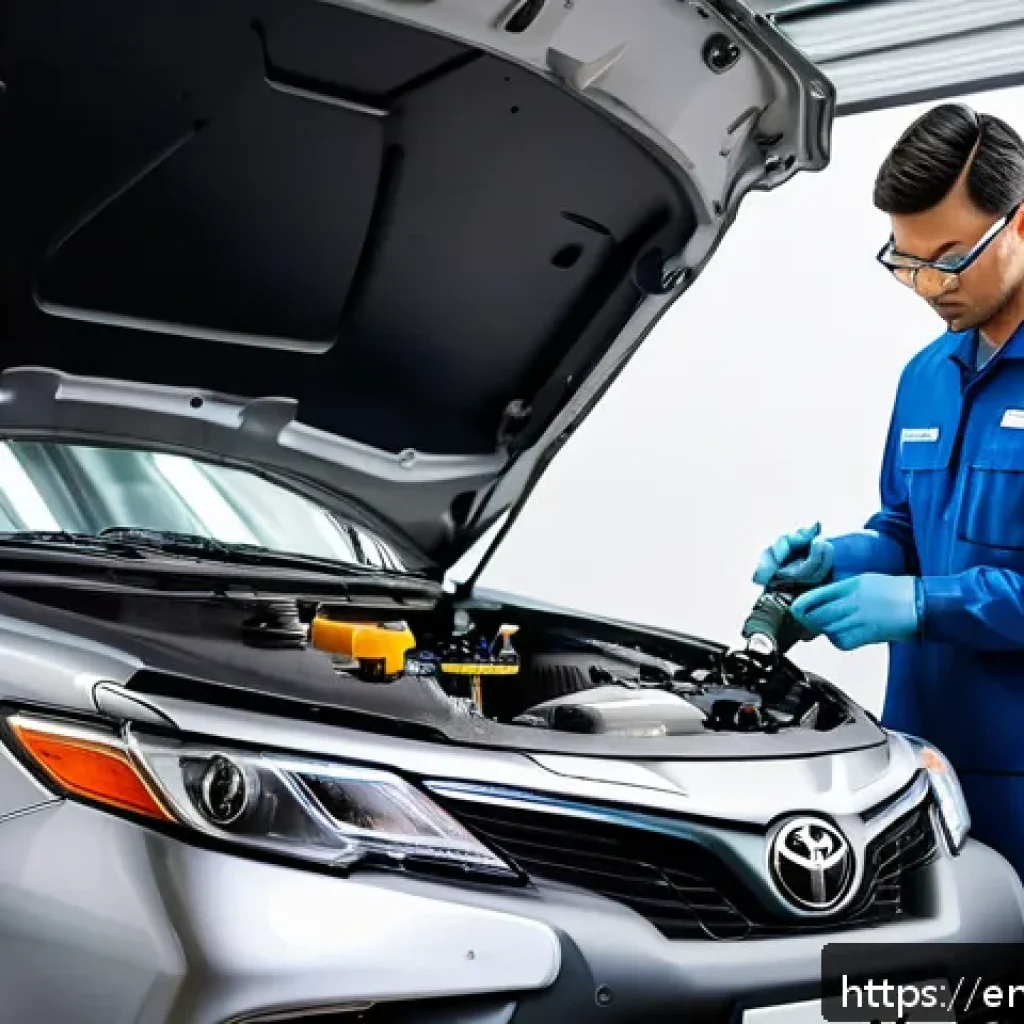
However, understanding the true cost of maintaining this popular hybrid model is essential for every owner. Recently, rising maintenance expenses and battery concerns have sparked questions about long-term ownership costs.
If you’re considering a Camry Hybrid or already own one, knowing what to expect can save you time and money down the road. Let’s dive into the key maintenance factors that impact your wallet and keep your hybrid running smoothly.
Understanding Routine Hybrid Maintenance Needs
Regular Fluid Checks and Replacements
Owning a hybrid like the Toyota Camry Hybrid means paying special attention to certain fluids that keep both the gasoline engine and electric components running smoothly.
Engine oil changes are crucial and generally recommended every 5,000 to 10,000 miles, depending on your driving habits and oil type. Additionally, the coolant system requires regular inspection because it cools both the engine and the hybrid battery.
Neglecting coolant levels can lead to overheating issues, which become costly repairs. Transmission fluid, although less frequently changed compared to traditional vehicles, still demands occasional checks to maintain smooth gear shifts.
From personal experience, staying on top of these fluid maintenance tasks not only prevents breakdowns but also extends the overall life of the car.
Brake System Inspections and Regenerative Braking Benefits
One of the perks of a hybrid like the Camry is the regenerative braking system, which reduces wear on traditional brake pads. However, it doesn’t mean brake maintenance can be ignored.
Regular inspections every 10,000 to 15,000 miles help identify pad wear, rotor condition, and brake fluid levels. I found that hybrids often save money on brake replacements compared to conventional cars, but the brake fluid still needs to be replaced periodically to prevent moisture buildup that can cause corrosion or braking inefficiency.
If you drive in stop-and-go traffic frequently, brake components might wear faster, so it’s wise to monitor them closely.
Battery Health and Longevity Tips
The hybrid battery is often the most talked-about maintenance concern. Toyota’s hybrid batteries typically last 8 to 10 years or more, but factors like climate, driving style, and mileage affect their lifespan.
Battery replacement costs can be hefty, sometimes ranging from $2,000 to $4,000, so preventative care is key. Keeping the battery cool, avoiding excessive rapid acceleration, and following recommended maintenance schedules can extend battery life.
I’ve noticed that owners who maintain their battery cooling systems and avoid extreme driving conditions tend to avoid premature battery failures.
Cost Breakdown of Common Maintenance Services
Typical Service Intervals and Expenses
Toyota Camry Hybrid owners should expect routine maintenance services at intervals like 5,000, 15,000, 30,000, and 60,000 miles. Each service includes checks and replacements that vary in cost depending on parts and labor.
For example, oil changes and tire rotations are relatively inexpensive, whereas hybrid-specific inspections or battery system diagnostics can be pricier.
It’s important to budget accordingly and shop around for service centers familiar with hybrid technology to get the best value.
How Warranty Coverage Affects Maintenance Costs
Toyota offers a comprehensive warranty for the Camry Hybrid, including an 8-year/100,000-mile warranty on the hybrid battery in most states. This warranty can significantly reduce out-of-pocket expenses for battery-related issues during the coverage period.
Routine maintenance like oil changes or brake services, however, are not covered. Being aware of what your warranty covers helps prevent surprises and informs decisions about extended warranties or service plans.
I’ve personally found that keeping service records handy and sticking to authorized dealerships can maximize warranty benefits.
Unexpected Repairs and Their Financial Impact
While hybrids generally have fewer moving parts prone to wear, some unexpected repairs might still arise, such as inverter failures or electric motor issues.
These repairs can be costly, sometimes exceeding $1,000, but they are relatively rare if regular maintenance is followed. Additionally, tire replacements, wheel alignments, and suspension repairs add to ongoing maintenance expenses.
I recommend setting aside a small emergency fund specifically for these unexpected hybrid-related repairs to avoid financial stress when they occur.
Maximizing Fuel Efficiency Through Maintenance
Importance of Tire Maintenance
Tires play a huge role in a hybrid’s fuel economy. Keeping tires properly inflated and aligned can improve mileage significantly, sometimes by up to 3-4 miles per gallon.
Worn tires or incorrect pressure not only decrease efficiency but also reduce safety. Personally, I check my tire pressure monthly and rotate tires every 5,000 miles, which helps me get the most out of each gallon of gas.
Investing in quality tires designed for low rolling resistance further enhances fuel savings over time.
Air Filter and Engine Tune-Ups
A clean air filter ensures that the engine breathes properly, which improves combustion efficiency and reduces emissions. Replacing the air filter every 15,000 to 30,000 miles keeps the engine performing optimally.
Additionally, spark plugs and ignition components should be inspected during tune-ups to maintain smooth starts and acceleration. These relatively inexpensive maintenance steps contribute significantly to maintaining the hybrid’s excellent fuel economy, in my experience.
Software Updates and Hybrid System Calibration
Toyota occasionally releases software updates for the Camry Hybrid’s control systems, which optimize battery management and engine efficiency. Taking your vehicle to a dealership for these updates can improve performance and extend component life.
Calibration of the hybrid system during scheduled maintenance ensures all components work harmoniously. I’ve noticed a slight improvement in fuel economy and smoother driving after such updates, making them worth the time and effort.
Long-Term Savings Versus Upfront Maintenance Costs
Comparing Hybrid Maintenance to Gasoline Models

While the Camry Hybrid may have higher maintenance costs in some areas, such as battery care, it often saves money on fuel and brake replacements. Over time, these savings can offset initial expenses.
Comparing maintenance costs between hybrid and non-hybrid Camry models shows that hybrids require fewer oil changes and less engine wear, which can translate to lower long-term costs.
Based on my own observations, the total cost of ownership tends to balance out favorably for hybrids if maintenance is performed diligently.
Strategies to Reduce Maintenance Expenses
One effective way to reduce costs is to perform basic maintenance tasks yourself, like checking fluid levels, tire pressure, and replacing air filters.
Additionally, using independent mechanics experienced with hybrids can lower labor charges compared to dealerships. Signing up for service plans or maintenance packages can also provide discounts and predictable expenses.
I found that keeping a detailed maintenance log and scheduling services proactively helps avoid costly repairs down the line.
Resale Value Impact of Maintenance History
A well-maintained Toyota Camry Hybrid typically commands a higher resale value. Buyers look for documented maintenance records, which demonstrate that the vehicle has been cared for properly.
Neglecting maintenance can lead to costly repairs that reduce resale value. From personal experience selling a hybrid, I noticed that thorough service history reassured buyers and allowed me to price the vehicle more competitively.
Typical Maintenance Cost Estimates for Key Components
| Maintenance Item | Service Interval | Estimated Cost Range (USD) | Notes |
|---|---|---|---|
| Engine Oil Change | Every 5,000-10,000 miles | $40 – $70 | Depends on oil type and location |
| Brake Pad Replacement | Every 30,000-60,000 miles | $150 – $300 per axle | Regenerative braking reduces wear |
| Hybrid Battery Replacement | 8-10 years or 100,000 miles | $2,000 – $4,000 | Often covered by warranty initially |
| Coolant Flush | Every 100,000 miles or as needed | $100 – $150 | Protects engine and battery cooling |
| Transmission Fluid Change | Every 60,000 miles | $150 – $250 | Less frequent than traditional vehicles |
| Air Filter Replacement | Every 15,000-30,000 miles | $20 – $50 | Maintains engine efficiency |
| Brake Fluid Replacement | Every 2 years | $70 – $120 | Prevents brake system corrosion |
Choosing the Right Service Provider for Your Hybrid
Authorized Dealerships vs. Independent Mechanics
Authorized Toyota dealerships have technicians specifically trained for hybrid systems, which can give peace of mind for complex repairs or software updates.
However, their labor rates tend to be higher than independent shops. Independent mechanics who specialize in hybrids or have experience with Toyota’s technology may offer lower prices but verifying their expertise is crucial.
Personally, I’ve alternated between dealerships for warranty-covered repairs and trusted local shops for routine maintenance to balance cost and quality.
Importance of Certified Hybrid Technicians
Hybrid vehicles require specialized knowledge due to their electric components and high-voltage systems. Certified hybrid technicians undergo training to safely diagnose and repair these systems.
Choosing a service provider with such certifications reduces risks of improper repairs and ensures your Camry Hybrid runs efficiently. I recommend asking service centers directly about their hybrid certifications before scheduling maintenance.
Utilizing Maintenance Plans and Extended Warranties
Many Toyota dealerships offer prepaid maintenance plans that cover routine services at a fixed cost, often providing savings compared to paying out of pocket.
Extended warranties can also protect against costly repairs after the original warranty expires, especially for hybrid battery and electrical components.
From my experience, these plans can be worthwhile if you plan to keep the vehicle long-term and want predictable maintenance expenses. Just be sure to read the fine print regarding coverage limits and exclusions.
In Conclusion
Maintaining a Toyota Camry Hybrid involves understanding its unique needs, from fluid checks to battery care. Staying proactive with routine maintenance not only prevents costly repairs but also maximizes fuel efficiency and vehicle longevity. With proper attention, owning a hybrid can be both economical and enjoyable over the long term.
Helpful Tips to Remember
1. Regularly monitor and replace essential fluids like engine oil, coolant, and brake fluid to ensure your hybrid runs smoothly and avoid overheating or brake issues.
2. Take advantage of the regenerative braking system but still schedule brake inspections every 10,000 to 15,000 miles to maintain safety and performance.
3. Protect your hybrid battery by avoiding extreme driving habits and keeping the cooling system in good condition to extend battery life and save on replacement costs.
4. Maintain proper tire pressure and alignment to boost fuel efficiency and safety; monthly checks and timely rotations can make a significant difference.
5. Choose service providers wisely—balance between authorized dealerships for warranty and complex repairs and trusted independent mechanics for routine maintenance to optimize costs.
Key Takeaways for Hybrid Maintenance
Understanding the specific maintenance requirements of your hybrid vehicle is crucial to ensuring its reliability and efficiency. Prioritize regular fluid checks, brake system inspections, and battery care to avoid unexpected expenses. Staying informed about warranty coverage can protect you from high repair costs, while proactive maintenance helps maximize fuel economy and resale value. Lastly, selecting certified technicians and considering maintenance plans can provide peace of mind and financial benefits throughout your ownership experience.
Frequently Asked Questions (FAQ) 📖
Q: uestions about Toyota Camry Hybrid MaintenanceQ1: How often do I need to service the Toyota Camry Hybrid, and what are the typical maintenance tasks?
A: For the Toyota Camry Hybrid, routine service is generally recommended every 5,000 to 10,000 miles, depending on your driving habits and local conditions.
Typical maintenance includes oil and filter changes, tire rotations, brake inspections, and hybrid system checks. Because hybrids have regenerative braking, brake pads often last longer than in conventional cars, which can save you money.
However, regular battery health checks are crucial to ensure optimal performance. Personally, I’ve found that sticking to the manufacturer’s schedule keeps the car running smoothly and avoids unexpected costly repairs.
Q: Are hybrid battery replacements expensive, and how long do they usually last?
A: Hybrid batteries in the Toyota Camry typically last between 8 to 10 years or around 100,000 to 150,000 miles, but this can vary based on usage and climate.
Battery replacement can be costly, often ranging from $2,000 to $4,000 including labor. That said, many owners rarely face this expense within the car’s typical ownership period because Toyota’s batteries are quite durable.
From my experience, keeping the battery cool and avoiding deep discharges helps prolong its life. Plus, some states offer incentives or warranties that can reduce replacement costs.
Q: Has maintenance become more expensive for the Camry Hybrid compared to non-hybrid models?
A: Generally, the Camry Hybrid’s maintenance costs are slightly higher upfront due to specialized hybrid components, but over time, savings from better fuel economy and longer-lasting brakes help balance that out.
Some parts, like the inverter coolant and battery system, require occasional service that a regular Camry doesn’t. Recently, some owners have noticed small increases in service prices, especially for hybrid-specific diagnostics.
However, from what I’ve gathered, the overall maintenance remains reasonable and often less expensive than many other hybrids, making it a cost-effective choice for eco-conscious drivers.