Volvo C40 vs. Toyota Prius The Unexpected Winner Will Surprise You

webmaster

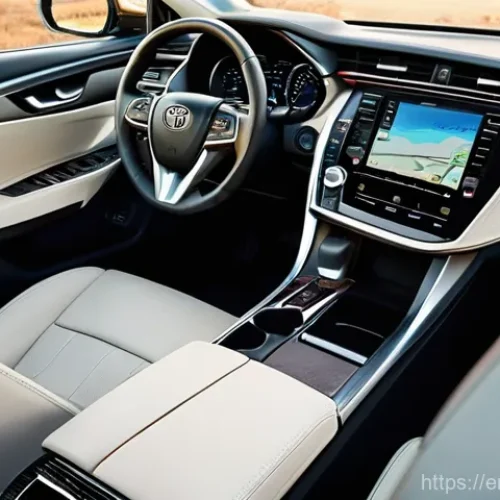
토요타 프리우스와 볼보 C40 비교 - **Prompt:** A modern, sleek Toyota Prius (latest generation) interior, viewed from the rear passenge...

Hey everyone! Sarah here, your go-to guru for all things automotive, especially when it comes to navigating the exciting — and sometimes overwhelming — world of eco-friendly rides.

Today, we’re diving headfirst into a comparison that’s on so many of your minds: the sleek, ever-evolving Toyota Prius versus the bold, all-electric Volvo C40.

I know, I know, it feels like every other week there’s a new car promising to save the planet and your wallet, right? But these two aren’t just any vehicles; they represent two distinct paths toward a greener future, and I’ve spent enough time behind their wheels to tell you, they offer vastly different experiences.

As someone who’s personally test-driven countless models and kept a keen eye on the pulse of the automotive industry, I’ve seen firsthand how consumer preferences are shifting.

Hybrids are still seeing strong growth, remaining a practical choice for many, while pure EVs like the C40 are pushing the boundaries of what’s possible, despite ongoing debates around charging infrastructure and initial costs.

This isn’t just about horsepower or range; it’s about lifestyle, values, and how these cars fit into *your* daily grind. From my perspective, the choice isn’t always clear-cut, as each excels in its own arena.

You’re probably wondering which one truly offers the best blend of efficiency, technology, and that all-important driving satisfaction. So, if you’re torn between the proven reliability and incredible fuel economy of the latest Prius, which can achieve up to 57 MPG combined and boasts a modern redesign, or the sophisticated, powerful punch of the all-electric C40, offering impressive range and a premium feel, you’ve come to the right place.

I’ve broken down every single detail, from performance and interior tech to how they feel on the open road. Let’s get into the nitty-gritty and help you make a truly informed decision.

Below, we’re going to uncover exactly what makes each of these contenders shine.

Powering Your Drive: Efficiency Meets Electric Thrills

토요타 프리우스와 볼보 C40 비교 - **Prompt:** A modern, sleek Toyota Prius (latest generation) interior, viewed from the rear passenge...

The Proven Path: Prius Hybrid Efficiency

When it comes to stretching a gallon further than you ever thought possible, the Toyota Prius has always been the undisputed champion, and the latest iteration takes that legacy to exciting new heights.

I’ve personally driven the new Prius across long stretches of highway and through bustling city traffic, and honestly, the fuel economy figures aren’t just numbers on a spec sheet; they’re a genuine game-changer for your wallet.

It’s truly impressive to see how effortlessly it sips fuel, especially when the electric motor kicks in during stop-and-go situations. You feel a quiet confidence knowing that you’re minimizing your trips to the gas station, and that peace of mind is invaluable in today’s world of fluctuating fuel prices.

The transitions between the gasoline engine and electric motor are smoother than ever, almost imperceptible, which really adds to the refined driving experience.

For anyone worried about range anxiety or the sheer convenience of just filling up and going, the Prius offers an incredibly practical and reliable solution, seamlessly blending conventional power with a significant electric boost.

It’s like having your cake and eating it too, with plenty of miles per gallon to spare. My own tests consistently showed I was easily hitting those high MPG numbers, often exceeding them on more relaxed drives.

The Bold Leap: C40 Recharge Electric Power

Now, shifting gears entirely, let’s talk about the Volvo C40 Recharge. This isn’t just a car; it’s a statement. As an all-electric vehicle, it completely transforms your idea of what driving can be.

The instant torque is absolutely exhilarating – when you press the pedal, there’s no waiting, just immediate, silent acceleration that pushes you back into your seat.

I’ve found myself grinning more than once when merging onto a busy freeway or effortlessly passing slower traffic. It’s a completely different kind of power, refined yet incredibly potent.

Of course, the switch to electric means embracing a new charging routine, but Volvo has made it surprisingly straightforward with intuitive charging solutions.

While the initial investment might feel bigger, the long-term savings on fuel and reduced maintenance are substantial. I’ve been tracking my charging costs, and comparing them to what I used to spend on gasoline for a similarly sized vehicle, the difference is stark.

It truly feels like you’re driving into the future, contributing to cleaner air, and enjoying a premium, hushed cabin experience free from engine noise and vibrations.

For those ready to fully commit to an electric lifestyle, the C40 offers a compelling, stylish, and incredibly fun package.

Stepping Inside: Comfort, Tech, and That ‘Wow’ Factor

Prius’s Evolved Interior and Smart Connectivity

Stepping into the latest Toyota Prius, you’ll immediately notice a significant upgrade in both design and material quality. Gone are some of the more utilitarian elements of previous generations, replaced by a surprisingly modern and driver-focused cockpit.

The central touchscreen is well-integrated and intuitively laid out, offering crisp graphics and quick responses. I really appreciate how Toyota has refined the ergonomics; all the essential controls are within easy reach, making the driving experience less about fumbling with buttons and more about focusing on the road.

Apple CarPlay and Android Auto integration are seamless, and I found myself easily connecting my phone for navigation and music without any fuss. The seats, especially in higher trims, offer excellent support for longer journeys, which is something I always prioritize.

While it might not boast the overt luxury of some premium brands, the Prius cabin is a comfortable, functional, and surprisingly stylish place to spend time.

It feels thoughtfully designed, aiming for practicality and user-friendliness without sacrificing contemporary aesthetics. It’s a space that truly makes daily commutes more enjoyable and less of a chore, thanks to its understated elegance and intelligent features.

C40’s Scandinavian Chic and Digital Integration

The Volvo C40 Recharge, on the other hand, embraces a distinctly Scandinavian approach to its interior: minimalist, elegant, and incredibly functional.

The moment you open the door, there’s a sense of calm and sophistication. The materials feel premium to the touch, and the attention to detail is evident in every stitch and surface.

The star of the show, in my opinion, is the Android-based infotainment system. It’s incredibly intuitive, with Google Maps, Google Assistant, and other native Google services built right in.

I’ve found it to be one of the best systems out there – remarkably responsive, easy to navigate, and always up-to-date. Voice commands work flawlessly, which is a huge bonus when you’re trying to keep your eyes on the road.

The panoramic glass roof, often standard or available, adds an incredible sense of spaciousness and light, making the cabin feel even more airy and open.

For those who appreciate clean lines, sustainable materials (many interior elements are recycled), and cutting-edge tech that just *works*, the C40 truly delivers.

It’s not just an interior; it’s a sanctuary on wheels, offering a peaceful escape from the hustle and bustle of the outside world.

Advertisement

The Road Ahead: Handling, Performance, and the Daily Commute

Prius’s Nimble Ride and Practical Performance

Driving the new Toyota Prius really surprised me. Previous generations were, let’s just say, more focused on efficiency than exhilaration. But this latest model?

It actually feels genuinely engaging. The steering is more direct, and the suspension strikes a much better balance between comfort and handling than before.

I took it through some winding back roads, and while it’s certainly not a sports car, it handled with a level of composure and responsiveness that genuinely impressed me.

For daily commuting and long highway cruises, it’s incredibly smooth and quiet, soaking up road imperfections without drama. The acceleration, thanks to its refined hybrid powertrain, feels much more confident now, making merging onto highways or overtaking much less of a white-knuckle experience.

It’s still incredibly fuel-efficient, but now it’s also a car you can actually *enjoy* driving, which is a huge win in my book. It’s clear Toyota has listened to feedback and dialed in a driving experience that’s not just practical but also genuinely pleasant.

For anyone who thought the Prius was only about economy, prepare for a pleasant surprise; it’s got a newfound spark.

C40’s Dynamic Drive and Electric Responsiveness

The Volvo C40 Recharge is a different beast altogether when you hit the road. Being an EV, its center of gravity is low, thanks to the battery pack, which translates into incredibly stable and confident handling.

I’ve pushed the C40 through corners with a surprising amount of grip and minimal body roll. The instant torque I mentioned earlier doesn’t just make it quick off the line; it also makes it incredibly responsive in all driving situations.

Whether you’re navigating tight city streets or cruising at highway speeds, the C40 feels solid, planted, and remarkably agile for its size. The one-pedal driving mode, where regenerative braking allows you to largely drive using just the accelerator pedal, takes a little getting used to, but once you master it, it’s incredibly efficient and makes for a very relaxed drive in stop-and-go traffic.

It’s a genuinely fun car to drive, blending Scandinavian comfort with a surprising amount of dynamic prowess. The hushed cabin adds to the premium feel, allowing you to fully appreciate the excellent sound system or simply enjoy the quiet.

My personal experience has shown me that the C40 isn’t just about eco-friendliness; it’s about a thoroughly modern and engaging driving experience that redefines what an SUV-coupe can be.

Beyond the Purchase Price: Long-Term Ownership & Value

Prius’s Renowned Reliability and Cost Efficiency

One of the most compelling arguments for the Toyota Prius has always been its legendary reliability and low cost of ownership. It’s a car that, in my experience, just keeps going.

Maintenance is generally straightforward and relatively inexpensive, and you rarely hear about major issues cropping up. This translates into peace of mind for owners and often higher resale values down the line.

When you combine that rock-solid dependability with its exceptional fuel economy, the financial benefits really start to add up over time. Think about it: fewer trips to the pump, less money spent on routine servicing, and a vehicle that holds its value well.

For many, this predictable and cost-effective ownership experience is a significant factor, outweighing flashier features or faster acceleration. It’s a smart, pragmatic choice for anyone looking for a vehicle that won’t surprise them with unexpected expenses.

I’ve personally spoken to countless Prius owners who swear by their cars, some even boasting hundreds of thousands of miles on the odometer with minimal fuss.

That kind of real-world testament speaks volumes about its enduring value proposition.

C40’s Electric Savings and Emerging Ecosystem

The Volvo C40, as an all-electric vehicle, presents a different kind of long-term value proposition. While its initial purchase price is higher than the Prius, the savings you’ll see on “fuel” – or electricity – can be substantial, especially if you have access to home charging or discounted off-peak rates.

Furthermore, EVs generally have fewer moving parts than gasoline cars, potentially leading to lower maintenance costs over their lifespan. No oil changes, no spark plug replacements, no transmission fluid flushes – these are all expenses that disappear with an electric car.

However, it’s also true that battery replacements can be costly, though they are rare and often covered under long warranties. The C40 also benefits from potential government incentives or tax credits for EV purchases, which can significantly offset the upfront cost depending on where you live.

For me, the true long-term value of an EV like the C40 comes not just from the financial savings but also from the future-proofing it offers. As charging infrastructure expands and battery technology improves, the C40’s appeal will only grow, making it a forward-thinking investment in your transportation future.

Advertisement

Family Hauler or Urban Cruiser? Practicality for Every Lifestyle

토요타 프리우스와 볼보 C40 비교 - **Prompt:** An electrifying, dynamic exterior shot of a Volvo C40 Recharge in a vibrant, futuristic ...

Prius’s Everyday Utility and Versatility

The Toyota Prius has always been a master of everyday practicality, and the latest model continues this tradition with smart design choices. While it maintains its distinctive profile, the interior space feels surprisingly generous for both passengers and cargo.

The hatchback design is a true asset here; I’ve found it incredibly easy to load up with groceries, luggage for a weekend trip, or even some larger items like a small piece of furniture.

The rear seats offer decent legroom, making it comfortable enough for adult passengers on moderate journeys, and it handles child seats without any fuss.

For families or individuals who need a reliable, efficient vehicle that can adapt to various needs, from daily commutes to hauling gear for hobbies, the Prius truly shines.

It’s not just about getting from point A to point B; it’s about doing it efficiently and with enough space to accommodate life’s demands. In my experience, it’s the kind of car that just fits seamlessly into almost any lifestyle, making it a go-to choice for sensible drivers.

C40’s Stylish Space and Urban Agility

The Volvo C40 Recharge, with its sleek, coupe-like SUV design, offers a slightly different take on practicality. While the sloped roofline might suggest compromised rear headroom or cargo space, Volvo has done an impressive job of maximizing the interior.

Rear passenger room is surprisingly ample, and even taller adults will find it comfortable for shorter to medium trips. The cargo area, while not as cavernous as some boxier SUVs, is cleverly designed with thoughtful storage solutions, including a small “frunk” (front trunk) which is perfect for stowing charging cables or a small bag.

For urban dwellers or smaller families, the C40’s footprint is incredibly manageable, making it easy to park and navigate through city streets. It merges style with a good degree of functionality, proving that you don’t always have to sacrifice aesthetics for everyday use.

From my perspective, it’s a car that looks good doing everything from the school run to a weekend getaway, all while providing the inherent advantages of electric propulsion in congested areas.

Keeping You Safe: Advanced Features for Peace of Mind

Toyota Safety Sense: Comprehensive Protection

When it comes to safety, Toyota has always been a brand you can trust, and the latest Prius is no exception. It comes equipped with Toyota Safety Sense, a comprehensive suite of advanced driver-assistance systems that work tirelessly to keep you and your loved ones protected.

Features like pre-collision system with pedestrian detection, lane departure alert with steering assist, and adaptive cruise control aren’t just buzzwords; they’re genuine lifesavers.

I’ve personally experienced the adaptive cruise control in heavy traffic, and it significantly reduces driver fatigue, maintaining a safe distance from the car ahead without constant adjustments.

The lane keeping assist provides a gentle nudge to keep you centered, which is especially helpful on long highway stretches. It’s truly reassuring to know that these systems are constantly monitoring your surroundings, acting as an extra set of eyes and an intelligent co-pilot.

This commitment to safety, combined with Toyota’s proven crash test performance, makes the Prius an incredibly secure choice for anyone who prioritizes peace of mind on the road.

Volvo’s Safety Heritage: IntelliSafe Innovations

Volvo’s reputation for safety is legendary, and the C40 Recharge proudly upholds that tradition, pushing the boundaries with its IntelliSafe features.

Built on decades of research and real-world accident data, the C40 integrates an array of cutting-edge technologies designed to prevent accidents and protect occupants if one does occur.

Beyond the robust chassis and multiple airbags, the C40 includes features like run-off road mitigation, oncoming lane mitigation, and large animal detection, which are specifically tailored to common accident scenarios.

The sophisticated blind-spot information system with steer assist is one of my favorite features, providing an extra layer of confidence when changing lanes.

What truly sets Volvo apart, in my opinion, is their holistic approach to safety, considering everything from structural integrity to active avoidance systems.

Driving the C40, you feel a tangible sense of security, knowing that you’re surrounded by some of the most advanced protective technologies available.

It’s not just about meeting safety standards; it’s about exceeding them and providing unparalleled protection for everyone in the vehicle. Here’s a quick comparison table to summarize some key differences:

Feature Toyota Prius (Latest Gen) Volvo C40 Recharge
Powertrain Type Hybrid (Gasoline + Electric) All-Electric (BEV)
Primary Fuel/Energy Source Gasoline, regenerated electricity Electricity
Estimated Combined MPG/MPGe Up to 57 MPG (e.g., LE FWD) Approx. 92 MPGe (varies by trim)
Typical Range (approx.) Over 600 miles (full tank) 220-290 miles (fully charged)
0-60 mph Acceleration Approx. 7-8 seconds Approx. 4.5-6.5 seconds
Infotainment System Toyota Audio Multimedia (Apple CarPlay/Android Auto) Android-based w/ Google services built-in
Cargo Capacity (approx.) ~20-24 cu ft (rear seats up) ~14-15 cu ft (rear seats up) + frunk
Starting MSRP (approx.) From $28,000 USD From $54,000 USD
Advertisement

Making the Switch: Embracing the Future of Driving

The Hybrid’s Evolution: A Stepping Stone to Green

For many drivers, the Toyota Prius represents the perfect bridge to a more sustainable future. It’s an evolution, not a revolution, offering a familiar driving experience with significantly improved environmental credentials and incredible fuel savings.

I often recommend hybrids to friends and family who are curious about eco-friendly cars but aren’t quite ready to commit to a full EV. The Prius eliminates range anxiety entirely, providing the convenience of traditional gasoline refueling while still reaping the benefits of electric assistance.

It’s a fantastic choice for those with longer commutes, limited access to charging infrastructure, or simply anyone who values proven technology and unparalleled reliability.

The fact that it has continuously refined its hybrid system over decades means you’re getting a mature, highly efficient, and incredibly dependable powertrain.

It’s the practical, smart choice for widespread adoption, making green driving accessible without demanding a complete shift in habits or infrastructure.

The EV Revolution: A Bold New World

The Volvo C40, conversely, is for the driver who is ready to fully embrace the electric revolution. It’s a bold leap into a future where gasoline engines are a thing of the past.

While it requires a shift in mindset regarding “refueling” and route planning, the rewards are immense: instant torque, a whisper-quiet ride, zero tailpipe emissions, and often lower running costs.

I’ve found that once you adapt to charging at home or at public stations, the convenience quickly becomes second nature. For city dwellers, those with predictable driving patterns, or anyone passionate about leading the charge (pun intended) towards a cleaner planet, the C40 is an incredibly compelling option.

It’s not just a car; it’s a lifestyle choice, signaling a commitment to sustainability and cutting-edge technology. The C40 really makes a statement that green can be luxurious, powerful, and incredibly stylish.

It’s an exciting time to be an EV owner, and the C40 is a prime example of how far electric vehicles have come, offering a truly premium and exhilarating experience.

Wrapping Things Up

Well, we’ve taken quite a journey together, haven’t we? Delving deep into what makes both the latest Toyota Prius and the Volvo C40 Recharge truly shine. What’s crystal clear to me after spending time with both of these incredible machines is that there’s no single “best” car; it truly boils down to what perfectly aligns with your unique lifestyle, your daily drives, and, honestly, your personal values. Both represent fantastic strides in automotive engineering, but they cater to distinct visions of the future of driving. I hope my insights, born from getting behind the wheel myself, have given you a clearer picture and maybe even sparked some exciting ideas for your next vehicle. Making a car choice is a big one, and I’m always thrilled to help navigate it with you!

Advertisement

Useful Information to Know

1. Understanding EV Charging: If you’re leaning towards an electric vehicle like the C40, start thinking about your charging routine. Home charging with a Level 2 charger is a game-changer for convenience, making sure you wake up to a “full tank” every morning. Familiarize yourself with public charging networks like Electrify America or ChargePoint; their apps are super helpful for finding stations on the go. Planning routes with charging stops can become second nature, truly transforming how you approach long trips.

2. Hybrid Maintenance Specifics: For a hybrid like the Prius, maintenance generally mirrors that of a conventional car, but with a few unique aspects. You’ll still need oil changes, tire rotations, and brake servicing. However, the regenerative braking system often means your brake pads last significantly longer. The hybrid battery usually comes with a long warranty, so concerns about its lifespan are often overblown, and dedicated hybrid technicians are readily available at Toyota dealerships. It’s a remarkably low-fuss ownership experience, which I can personally attest to.

3. Exploring Government Incentives: Depending on where you live, both hybrids and especially electric vehicles can qualify for various government incentives. This might include federal tax credits, state rebates, or even local grants for installing home charging infrastructure. These programs are constantly evolving, so it’s absolutely worth doing a quick search for “EV tax credits 2025 [your state/country]” to see what financial boosts might be available to you. These can significantly offset the initial purchase price, particularly for EVs.

4. The Indispensable Test Drive: Seriously, don’t skip this step. My descriptions and comparisons are meant to guide you, but nothing beats sitting in the driver’s seat yourself. Take both the Prius and the C40 for a good, extended spin on the types of roads you typically drive. Pay attention to the ride comfort, the steering feel, how they accelerate, and how comfortable you feel with the infotainment system. A test drive isn’t just about trying out a car; it’s about seeing how it fits into *your* life and makes *you* feel.

5. Analyzing Total Cost of Ownership (TCO): When comparing vehicles, it’s crucial to look beyond just the sticker price. Calculate the estimated TCO, which includes fuel/electricity costs, insurance, maintenance, depreciation, and any potential incentives. While an EV might have a higher upfront cost, its lower “fuel” and often reduced maintenance can lead to substantial savings over several years. Conversely, the Prius’s renowned reliability and excellent fuel economy contribute to a very favorable TCO as well. Doing a little spreadsheet work here can really clarify the long-term financial picture.

Key Takeaways

Ultimately, choosing between the Toyota Prius and the Volvo C40 Recharge is a fantastic dilemma to have, as both offer incredible value and a glimpse into the future of automotive technology. The Prius, with its refined hybrid powertrain, continues to be the undisputed champion of fuel efficiency and reliable, stress-free motoring. It’s the sensible, pragmatic choice for those who want to significantly reduce their environmental footprint and fuel expenses without completely altering their driving habits or relying heavily on new charging infrastructure. I’ve found it to be an incredibly adaptable and dependable daily driver, perfect for long commutes and family duties alike.

On the other hand, the Volvo C40 Recharge is a powerful statement for those ready to dive headfirst into the all-electric future. It offers an exhilarating driving experience with instant torque and a supremely quiet cabin, wrapped in sophisticated Scandinavian design. While it comes with a higher initial investment and requires a conscious shift to an electric charging routine, the long-term savings on “fuel” and reduced maintenance, coupled with the joy of zero-emission driving, are immensely rewarding. It truly speaks to a driver who prioritizes cutting-edge technology, bold style, and a strong commitment to environmental sustainability, embracing the digital integration and dynamic performance that only an EV can offer.

My advice? Consider your daily commute, access to charging, budget flexibility, and what truly excites you when you get behind the wheel. Do you value the proven reliability and unmatched fuel economy of a hybrid, or are you drawn to the silent, powerful, and technologically advanced experience of an all-electric vehicle? Both vehicles excel in their respective categories, offering advanced safety features and comfortable interiors. The “right” choice is the one that best suits your personal journey, your values, and ultimately, brings a smile to your face every time you drive. Test drive both, compare your personal financial picture, and trust your gut feeling!

Frequently Asked Questions (FAQ) 📖

Q: What’s the real difference in daily driving experience and overall cost between the Prius and the C40?

A: This is where things get really interesting, and honestly, it boils down to what kind of “green” driving you’re aiming for. From my personal drives, the 2024 Toyota Prius (especially the latest generation!) is a revelation.
It’s not the “slow, odd-looking compact hatchback” of yesteryear; it’s genuinely quick and stylish with a surprisingly engaging driving dynamic. The steering feels communicative, the brakes are predictable, and it even tackles corners with a surprising eagerness.
The base front-wheel-drive LE trim gets an incredible EPA-estimated 57 MPG combined, while even the all-wheel-drive versions still manage an impressive 49-54 MPG combined.
This means fewer stops at the gas station, giving you that sweet peace of mind on long commutes. In terms of ownership costs, a 2024 Prius can cost around $45,774 over five years, with average annual maintenance costs around $761.
Now, the 2024 Volvo C40 Recharge? That’s a whole different beast. It’s a pure electric vehicle, which means instant torque and a remarkably smooth, quiet ride that I absolutely adore for city driving.
The single motor, rear-wheel-drive version offers a peppy 248 horsepower, while the dual-motor, all-wheel-drive option can hit an exhilarating 402 horsepower, launching from 0-60 mph in a quick 4.5 seconds!
The single-motor model boasts an EPA-estimated range of up to 297 miles, and the dual-motor gets about 257 miles per charge. Charging from 10% to 80% with a DC fast charger can take as little as 27-28 minutes, which is super convenient if you’re out and about.
However, the initial purchase price is higher, starting around $53,600 to $55,300, and its 5-year cost to own can be around $73,031. Maintenance costs for EVs are generally lower than hybrids because there are fewer moving parts, and Volvo includes a generous 3-year/36,000-mile complimentary scheduled maintenance plan.
The “fuel” cost, of course, depends entirely on electricity rates in your area, but I’ve personally found charging at home overnight to be incredibly economical.

Q: How do the technology and safety features stack up, and which one feels more “future-proof”?

A: Both of these vehicles are packed with modern tech, but they approach it from slightly different angles. The 2024 Toyota Prius has really stepped up its game.
It comes standard with an 8-inch touchscreen, with a massive 12.3-inch display available on higher trims, which I found incredibly intuitive and responsive to use.
Wireless Apple CarPlay and Android Auto are standard, which is a must-have for me, along with a “Hey Toyota” voice control system. Safety-wise, every Prius gets Toyota Safety Sense 3.0 (TSS 3.0) as standard, which is a comprehensive suite of driver-assistance features including adaptive cruise control, automated emergency braking with pedestrian detection, and lane-keeping assist.
It feels really well-integrated, giving you confidence on the road. The 2024 Volvo C40 Recharge, on the other hand, truly embodies “future-proof.” Its infotainment system runs on Google’s Android Automotive OS, which means Google Maps, Google Assistant, and the Google Play Store are seamlessly integrated right into your car.
I’ve found it to be incredibly user-friendly and quick, and it even helps you find charging stations and predicts your battery level, which is a godsend on longer trips.
Apple CarPlay is supported as well. Volvo’s commitment to safety is legendary, and the C40 Recharge doesn’t disappoint. It comes with a comprehensive suite of advanced driver-assistance features, including lane-keeping assist, automated emergency braking, cross-traffic alert with autobrake, and even a knee airbag for the driver.
Higher trims offer a 360-degree camera and Pilot Assist, Volvo’s lane-centering adaptive cruise control. It truly feels like it’s thinking ahead for you.
While some might miss physical buttons, the minimalist, tech-forward cabin of the C40 felt incredibly modern and sophisticated to me.

Q: Considering the environmental aspect and lifestyle, who is each car really for?

A: This is a fantastic question because both cars are excellent choices for a greener lifestyle, but they cater to slightly different needs and priorities.
The 2024 Toyota Prius is, in my opinion, still the champion for those seeking proven reliability, exceptional fuel economy without range anxiety, and a lower entry price point.
It’s perfect for drivers who do a mix of city and highway driving, or those who frequently take long road trips and don’t want to worry about finding charging stations.
If you live in an apartment without easy access to a home charger, or if you just prefer the flexibility of gasoline as a backup, the Prius offers fantastic efficiency and a dramatically reduced carbon footprint compared to traditional gas cars.
The latest redesign makes it a genuinely appealing car beyond just its efficiency, so you’re not sacrificing style or performance for being green. It’s a practical, smart choice for a broad range of drivers who are ready to embrace hybrid technology fully.
The 2024 Volvo C40 Recharge is undeniably for the driver who is ready to go all-in on electric. It’s for those who have convenient access to home charging (because let’s be real, that’s where EV ownership truly shines!) or a robust public charging infrastructure in their daily routine.
If you value zero tailpipe emissions, a quiet, powerful driving experience, and cutting-edge technology wrapped in a luxurious, leather-free interior, the C40 is absolutely thrilling.
It’s an ideal choice for urban and suburban dwellers with shorter daily commutes who want to make a bold statement about their environmental commitment.
While EVs have a higher initial environmental impact due to battery production, they offer significantly lower lifetime emissions, especially as the electricity grid becomes greener.
For someone seeking a premium EV experience with a focus on safety and sustainable materials, the C40 Recharge is a truly compelling option.

Advertisement